
Articles
Stop Losing Ramadan Sales: A Qatar Payment Checklist That Actually Works

How to Prepare Your Business for Ramadan Payments in Qatar
I’ve watched countless Qatar-based businesses scramble every year when Ramadan arrives, only to realize their payment systems weren’t ready for the surge.
Last Ramadan, a cafe owner I know in Doha saw his evening orders triple after iftar, but his payment system kept timing out. He lost an estimated QAR 5,000 in the first week due to customers being unable to complete their purchases. By the time he fixed it, the peak traffic period was already halfway over.
This isn’t an isolated story. Visa shows the 10 pm–4 am share rises from ~16–18% to ~27–38% across GCC examples during Ramadan. Yet many businesses—especially SMEs and entrepreneurs in Qatar—don’t adjust their payment infrastructure to handle this shift.
This article shows you exactly how to prepare your business payment systems for Ramadan’s unique demands. We’ll cover transaction volume planning, payment method optimization, and how to avoid the technical pitfalls that cost businesses thousands during this critical month.
Key Highlights: What You’ll Learn
- I walk you through the exact payment capacity planning process I use with Qatar businesses to handle 3x transaction volumes
- I show you which payment methods Qatar consumers prefer during Ramadan (hint: it’s not what most businesses think)
- I explain how to set up automated invoice systems for B2B Ramadan orders that typically come in bulk
- I reveal the checkout optimization tactics that reduced cart abandonment by 34% for a Qatari e-commerce business last Ramadan
- I share the real-time monitoring setup that alerts you before payment failures happen during peak iftar hours
- I provide a complete pre-Ramadan payment system checklist based on what actually works in Qatar’s market
Why Ramadan Payments in Qatar Matters for Businesses
From my experience working with businesses across Qatar, the biggest mistake I see is treating Ramadan as just another sales period.
It’s not. Transaction patterns during Ramadan are fundamentally different from the rest of the year, and your payment infrastructure needs to reflect this.
The Unique Payment Challenges of Ramadan
Here’s what happens to payment systems during Ramadan in Qatar:
- Transaction volume spikes at specific times. While most months see steady traffic throughout the day, Ramadan compresses most transactions into 3-4-hour windows—right before iftar, immediately after iftar, and late evening before suhoor. I’ve seen businesses process 60% of their daily transactions between 6 PM and 9 PM alone.
- Average transaction values increase. Studies report found that average transaction sizes increased during Ramadan as families stock up and businesses place bulk orders. This means your payment gateway needs to handle larger amounts without triggering fraud alerts or declining legitimate purchases.
- Payment method preferences shift. During Ramadan, I’ve noticed that Qatar consumers become more cautious with their budgets and prefer payment methods that provide better tracking. Digital wallets, deferred payment options, and invoice-based payments see significant upticks.
- Cross-border payments accelerate. For businesses with expatriate customers, Ramadan triggers a surge in international payments as people send money home or purchase gifts for family abroad. If your payment system doesn’t handle multi-currency smoothly, you’re leaving money on the table.
As one retail business owner in Qatar told me during a consultation, “We thought we were ready because we handled high traffic during Eid last year. But Ramadan was different—it wasn’t just one or two days of high volume, it was sustained pressure every evening for 30 days straight.”
The Business Impact of Poor Payment Preparation: How to Be Prepared in 6 Steps
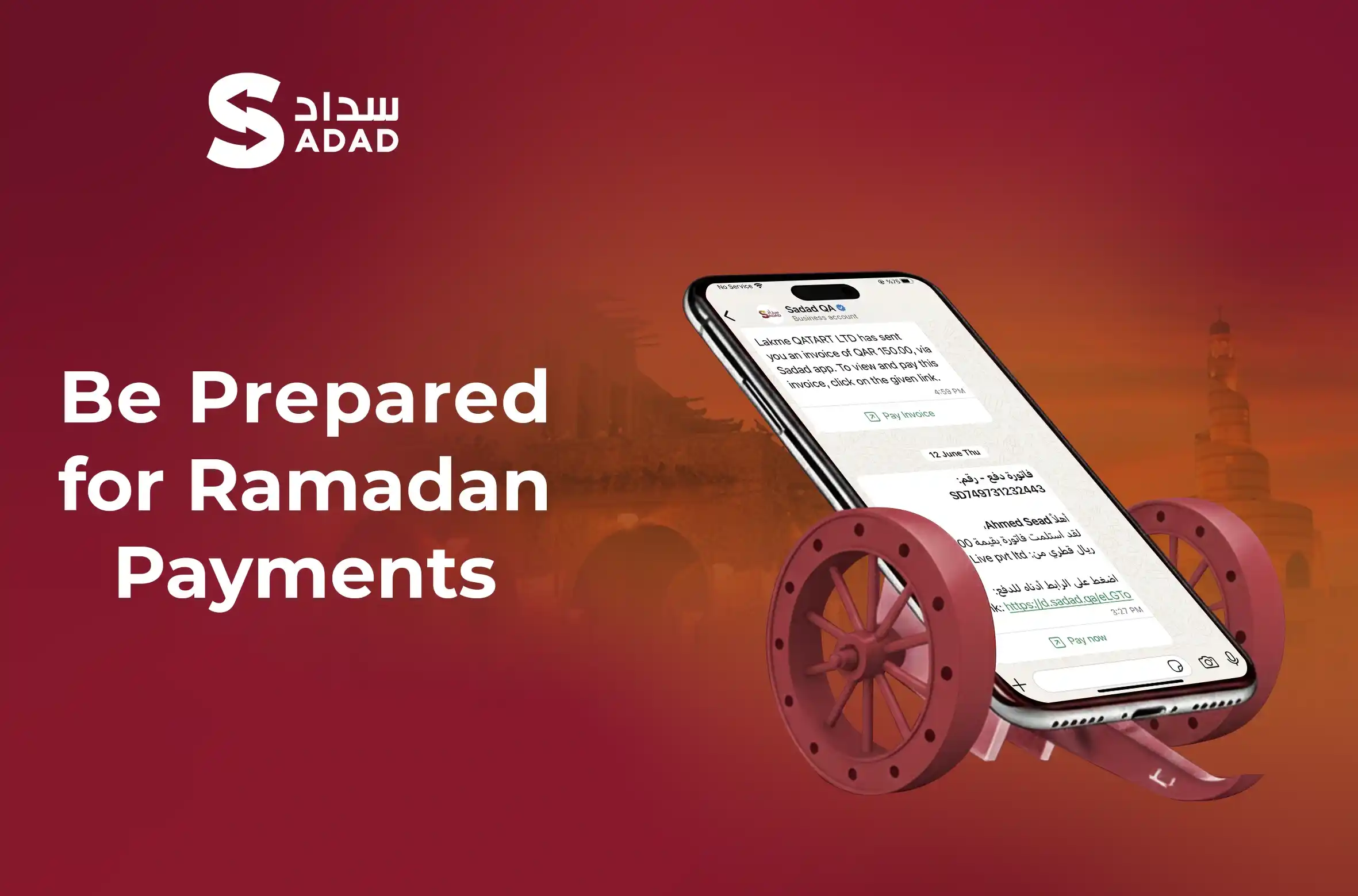
Let me be clear about what’s at stake here.
A Deloitte study on GCC retail found that businesses lose an average of 18% of potential Ramadan revenue due to payment processing issues. That’s nearly one in five transactions that should have occurred but didn’t—due to slow checkouts, payment failures, or systems that couldn’t handle the load.
Read more about Deloitte studies here : 2026 Retail Industry Global Outlook
Here’s the breakdown of where these losses typically occur:
- 43% from checkout abandonment due to slow-loading payment pages during peak hours
- 29% from failed transactions when payment gateways timeout or decline legitimate purchases
- 18% from customers switched to competitors after experiencing payment issues
- 10% from manual processing delays for invoice and B2B payments
For a business with QAR 500,000 in monthly revenue, poor Ramadan payment preparation could result in a loss of QAR 90,000 or more. That’s real money that could have covered your operational costs, marketing budget, or team bonuses.
The key is to identify your specific vulnerabilities—and address them before Ramadan begins.
Step 1: Audit Your Current Payment Infrastructure
You can’t prepare for Ramadan if you don’t know what you’re working with right now.
From my perspective, this is where most businesses fail. They assume their current setup will scale, but they’ve never stress-tested it against Ramadan-level traffic.
Here’s the audit process I use:
Method 1: Analyze Your Historical Transaction Data
Pull your transaction data from the last Ramadan (or if you’re new, from your busiest sales period). You’re looking for three specific metrics:
- Peak transaction volume per hour. Use your payment dashboard or contact your payment provider to request hourly transaction reports for last Ramadan. Identify your absolute peak hour—this is your baseline for capacity planning.
- For instance, if your busiest hour last Ramadan was 7 PM with 450 transactions, you should plan for at least 600-700 transactions per hour this year to account for business growth and market expansion.
- Payment method breakdown. What percentage of transactions came through each payment method—credit cards, debit cards, digital wallets (like QPay), bank transfers, or cash on delivery?
- I recently worked with a business that assumed credit cards were its primary channel, but the data showed that 38% of its Ramadan transactions came through digital wallets. This insight changed their entire integration strategy.
- Failed transaction rate. This is critical. Review your payment logs and calculate the percentage of attempted transactions that failed during peak hours. A normal failure rate is 2-3%, but I’ve seen businesses hit 12-15% during Ramadan peaks.
As one payments consultant in Qatar mentioned, “Most businesses don’t even know their failure rate because they only look at successful transactions. But every failed payment is a customer you lost—and they don’t come back.”
Method 2: Test Your Payment System Under Load
Here’s a simple test that reveals a lot: Try processing 10-15 transactions simultaneously through your payment system right now.
If it slows down, times out, or shows errors, you have a capacity problem. Now imagine that scenario happening with 50-100 real customers during the iftar rush.
For online businesses, use your SADAD Payment Gateway to simulate high-volume transactions. If you’re using the API integration, run concurrent API calls to identify bottlenecks.
For physical stores with SADAD POS devices, test multiple simultaneous transactions during your busiest current time. If your POS terminal struggles now, it definitely won’t handle Ramadan evening rush.
Method 3: Review Your Payment Provider’s Capabilities
Not all payment solutions are built for Ramadan-level surges. Here’s what you need to verify with your payment provider:
- Maximum transactions per second. What’s the hard limit before transactions start failing or queuing? SADAD, for example, is directly connected to Qatar’s national network (NAPs QPay), which offers higher capacity than indirect connections.
- Uptime guarantees during peak periods. Does your provider guarantee 99.9% uptime? What happens if they go down during prime Ramadan hours?
- Fraud detection thresholds. Will your sudden increase in transaction volume and larger purchase amounts trigger fraud alerts that block legitimate customers?
- Multi-currency support. If you serve Qatar’s diverse expatriate community, can your system handle QAR, USD, EUR, GBP, and other currencies smoothly?
According to a payment processing industry report, businesses using providers with direct national network connections experience 47% fewer payment failures during high-traffic periods. This is exactly why businesses in Qatar benefit from SADAD’s direct NAPs QPay connection—it eliminates intermediaries and delays that can cause failures.
Step 2: Optimize Payment Methods for Ramadan Preferences
One of the most overlooked aspects of Ramadan preparation is matching your payment options to how people actually want to pay during this month.
I’ve found that payment preferences shift significantly during Ramadan, and if you’re not offering the right methods, you’re creating unnecessary friction at checkout.
Understanding Qatar’s Ramadan Payment Preferences
Here’s what the data shows about payment behavior during Ramadan in Qatar:
A recent consumer payment survey revealed that during Ramadan:
- 42% of consumers prefer digital wallet payments (like QPay) for daily purchases
- 28% prefer debit cards to better track their spending
- 18% prefer invoice-based payments for larger purchases
- 12% prefer credit cards for high-value items or installment options
This differs from the rest of the year, when credit cards typically dominate higher-value purchases. During Ramadan, people become more budget-conscious and seek payment methods that enable real-time spending monitoring.
Implementing the Right Payment Mix
Based on these patterns, here’s how I recommend setting up your payment options:
For online businesses:
Make sure your SADAD Payment Gateway integration includes:
- QPay and other digital wallet options are prominently displayed at checkout
- Debit card processing with clear transaction confirmations
- Invoice payment links for B2B orders or bulk purchases
- Option for customers to save payment methods for faster repeat purchases
One e-commerce business in Qatar added QPay as a checkout option before Ramadan and saw it account for 34% of their evening transactions. The conversion rate for QPay users was also 23% higher than that of credit card users—likely because the payment process was faster and more familiar.
For physical stores:
Your SADAD POS setup should support:
- Contactless payments for faster throughput during busy periods
- Multiple card types without transaction minimums
- Quick invoice generation for corporate or bulk orders
- SADAD SoftPOS as a backup on staff smartphones in case the main terminals get overwhelmed
For service businesses:
Use SADAD Invoice features to:
- Generate and send payment links via WhatsApp—this is huge in Qatar, where WhatsApp dominates business communication
- Set up recurring invoices for subscription-based services
- Create custom payment pages that reflect your Ramadan branding
As one service provider on a Qatar business forum mentioned, “We started sending payment links through WhatsApp instead of email during Ramadan, and our payment collection speed increased by 40%. People check WhatsApp constantly during Ramadan, but they ignore emails.”
Setting Up Payment Method Priority
Here’s a tactical tip: arrange your payment methods by speed and reliability for your business.
For most Qatar businesses during Ramadan, I recommend this checkout order:
- Digital wallets (QPay, etc.) – fastest, lowest failure rate
- Debit cards – fast, preferred for budget tracking
- Credit cards – slower, higher failure rate during peaks
- Invoice/bank transfer – slowest, best for B2B
This isn’t just about convenience—it’s about conversion.
People see the fastest option first, use it, and complete the purchase before changing their minds. During Ramadan’s compressed shopping windows, every second counts.
Step 3: Prepare for B2B and Bulk Ramadan Orders
If your business serves other businesses or handles bulk orders, Ramadan creates unique payment challenges that consumer-focused merchants don’t face.
From my experience with B2B clients in Qatar, the issue isn’t transaction volume—it’s transaction complexity.
The B2B Ramadan Payment Challenge
Here’s what happens: Companies in Qatar place large orders during Ramadan for employee iftar programs, corporate gifts, charity distributions, and end-of-Ramadan celebrations. These orders are typically:
- High-value (often QAR 10,000 – 100,000+)
- Require invoices for accounting and audit trails
- Need approval workflows before payment
- Have specific payment terms (net 7, net 15, or net 30)
- May require split payments across departments or cost centers
If your payment system is designed solely for instant consumer transactions, you’ll struggle to capture lucrative B2B opportunities during Ramadan.
Setting Up Cloud-Based Payment Systems
The solution is to have a robust invoice payment system in place before Ramadan starts. Here’s the setup I recommend:
Step 1: Create invoice templates in your SADAD merchant dashboard. Set up templates for common Ramadan B2B scenarios:
- Bulk product orders
- Corporate iftar catering packages
- Charity donation programs
- Employee gift packages
Each template should include your business information, itemized pricing, payment terms, and a unique payment link that clients can use when ready.
Step 2: Automate invoice generation and delivery. Use SADAD’s invoice system to automatically generate and send invoices for incoming B2B orders. Configure it to send via:
- Email for formal record-keeping
- WhatsApp for faster notification and payment
- SMS as a backup for urgent invoices
Step 3: Set up payment reminders. Configure automated reminders for unpaid invoices—one at 3 days before the due date, one on the due date, and one at 3 days overdue. During Ramadan, businesses get busy, and invoices often slip through the cracks without reminders.
Step 4: Enable partial payments. For very large orders, allow clients to pay in installments or split payments across their internal approval process. SADAD’s system lets you mark invoices as partially paid and automatically track the remaining balance.
Streamlining Corporate Payment Approvals
Here’s something I learned from a corporate gifts supplier in Qatar: many B2B Ramadan sales are delayed not because of payment issues, but due to internal approval processes.
The trick is to make the approval and payment process as frictionless as possible:
- Provide detailed invoice breakdowns so approvers can see exactly what they’re authorizing
- Include all necessary documentation upfront (quotes, terms, delivery schedules) so they don’t have to request it
- Offer multiple payment methods on invoices—some companies prefer bank transfer, others want to use corporate cards
- Create separate invoices for separate cost centers if they request it, even if it’s from the same order
As one procurement manager in Qatar told me, “We approve invoices faster during Ramadan when the supplier has done the work to make everything clear and simple. If we have to go back and forth asking questions, it goes to the bottom of the pile.”
Step 4: Optimize Checkout Experience for Peak Traffic
This is where most businesses leave the most money on the table during Ramadan.
You’ve got customers ready to buy payment systems that can handle the volume, but your checkout process itself creates friction that leads to abandonment during the critical evening rush hours.
The Ramadan Checkout Problem
Here’s what I’ve observed during Ramadan peak hours: customers browse and add items to their carts during the day, but they don’t complete checkout until just before or after iftar. This creates a massive checkout surge, with hundreds or thousands of customers trying to complete purchases within the same 30-60 minute window.
If your checkout takes more than 60 seconds or requires too many steps, customers will abandon it. During Ramadan, they have less patience because they’re hungry (before iftar) or ready to eat and move on (after iftar). Time is compressed.
A checkout optimization study by a major payment processor found that every additional second in checkout time increases abandonment by 7% during peak traffic periods. During normal times, that’s manageable, but during Ramadan peaks, it’s devastating.
Checkout Optimization Tactics
Here’s how I help businesses optimize checkout for Ramadan:
Reduce checkout to 3 steps maximum:
- Cart review (with easy quantity editing)
- Delivery/contact information
- Payment (with one-click saved methods)
Anything more than this, and you’re testing patience during peak hours.
- Enable guest checkout. Forcing account creation kills conversions during high-intent moments. Allow guests to check out and offer account creation after purchase completion, not before.
- Pre-fill everything possible. If customers are logged in, pre-fill their delivery address, contact information, and saved payment methods. If they’re guests, use address auto-complete to reduce typing.
- Optimize for mobile. According to GSMA Intelligence, 82% of Qatar’s population uses smartphones as their primary internet device. If your checkout isn’t mobile-optimized, you’re excluding most potential customers.
For SADAD users, ensure you use the embedded iFrame or Web Checkout API rather than redirecting to a separate payment page. Redirects add 3-5 seconds and increase abandonment, especially on mobile.
Show real-time payment confirmation. Don’t make customers wait and wonder if the payment went through. Display clear, immediate confirmation messages and send receipts via WhatsApp, email, and SMS instantly.
Technical Optimization for Speed
Beyond the user experience, there are technical optimizations that drastically improve checkout performance:
- Use SADAD’s direct API integration if you have development resources. It’s faster than hosted or iFrame solutions and gives you complete control over the checkout flow.
- Implement lazy loading for payment provider scripts. Don’t load the entire payment gateway code until the customer reaches the payment step. This keeps your site fast during browsing and only loads payment functionality when actually needed.
- Set up payment method caching so returning customers don’t have to re-enter card details or re-authenticate with their digital wallet.
- Monitor checkout performance in real time with your SADAD Smart Merchant Dashboard. Set alerts for when checkout completion time exceeds 90 seconds or when abandonment rate spikes above your baseline.
As one developer working with Qatar e-commerce companies mentioned, “We implemented SADAD’s direct API integration with lazy loading, and checkout time dropped from 8.2 seconds to 2.4 seconds during peak traffic. Cart abandonment during evening rush dropped by 34%.”
Step 5: Set Up Real-Time Monitoring and Alerts
You can’t fix problems during Ramadan’s peak hours if you don’t know they’re happening in real-time.
This is why monitoring and alerts are critical. Personally, I use a multi-layer approach that catches issues before they lead to revenue loss.
Essential Metrics to Monitor
Set up your SADAD Smart Merchant Dashboard to track these metrics in real-time during Ramadan:
- Transaction success rate. You want to see 97%+ transactions completing successfully. If this drops below 95%, you have a problem that needs immediate attention.
- Average checkout completion time. Track how long it takes from cart to payment confirmation. During non-peak hours, anything under 60 seconds is good. During peak hours, if this creeps above 90 seconds, customers will abandon.
- Payment method failure rates. Monitor each payment method separately. Sometimes a specific method (e.g., a particular card network) has issues, while others work fine. If you see one method failing more than others, disable it temporarily and alert customers.
- Peak hour transaction volume. Track your actual transactions per hour during peak periods. Compare against your planned capacity. If you’re approaching 80% of capacity, you need to scale up before you hit the limit.
- Revenue per hour. This is the ultimate metric. You should see clear spikes during evening hours. If revenue isn’t spiking when traffic is spiking, you have a conversion problem somewhere in your funnel.
Setting Up Automated Alerts
Configure these alerts in your SADAD dashboard or through webhooks to your monitoring system:
- Alert when the transaction success rate drops below 95%
- Alert when any payment method exceeds 5% failure rate
- Alert when checkout completion time exceeds 90 seconds
- Alert when transaction volume approaches 80% of capacity
- Alert for any settlement delays or payout issues
Don’t just alert yourself—set up notifications for your technical and operations teams, and anyone who can fix issues quickly.
Using SADAD Webhooks for Proactive Monitoring
If you have development resources, implement SADAD’s webhook system to receive instant notifications for every transaction event:
- Transaction initiated
- Payment authorized
- Payment captured
- Payment failed
- Refund processed
This lets you build custom monitoring dashboards that track exactly what matters to your business. You can also set up automated responses—for example, if a payment fails, automatically send the customer a notification with alternative payment methods or a special discount link to encourage them to retry.
As one technical founder in Qatar explained, “We set up webhooks to track failed transactions during Ramadan peak hours. When we noticed a spike in failures for a specific card type, we quickly switched to suggesting digital wallet payments instead, which recovered about 60% of those potential lost sales.”
Step 6: Create Your Pre-Ramadan Payment Checklist
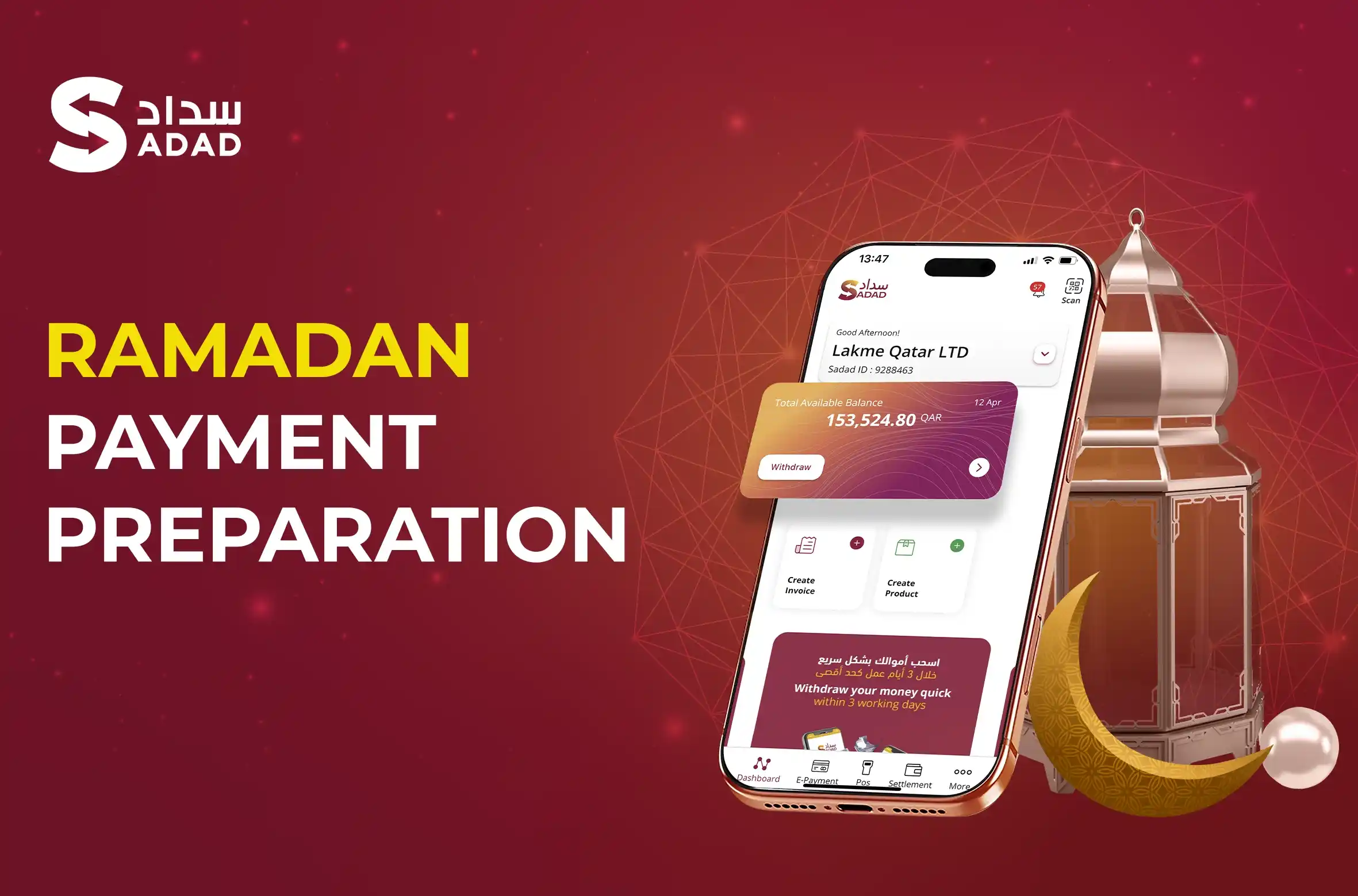
You’ve audited your system, optimized your payment methods, set up B2B invoicing, improved checkout experience, and configured monitoring. Now you need a checklist to ensure everything’s actually ready when Ramadan starts.
From my experience preparing businesses for Ramadan, having a written checklist prevents last-minute scrambling and forgotten tasks.
Technical Readiness Checklist
Two weeks before Ramadan:
- Complete load testing of the payment gateway with 3x normal transaction volume
- Verify all payment methods are active and tested (cards, digital wallets, bank transfers)
- Confirm SADAD POS devices are updated with the latest firmware
- Test backup payment systems (SADAD SoftPOS on smartphones)
- Set up invoice templates for common B2B Ramadan orders
- Configure automated invoice delivery via WhatsApp, email, and SMS
- Optimize checkout flow to a maximum of 3 steps
- Implement mobile checkout improvements
- Set up a real-time monitoring dashboard with key metrics
- Configure automated alerts for payment failures, slow checkouts, and capacity issues
- Test webhook integrations for transaction notifications
- Create backup plan documentation for if the primary payment system fails
One week before Ramadan:
- Do a final full-system test during peak expected hours
- Verify monitoring and alerts are working correctly
- Train staff on handling payment issues during high-volume periods
- Set up rapid response protocols for payment failures
- Confirm customer support is prepared for payment inquiries
- Test payment links and invoice generation one more time
- Verify settlement and payout schedules won’t have Ramadan delays
Day before Ramadan:
- Final payment system check—process test transactions through all methods
- Confirm all team members have access to monitoring dashboards
- Review emergency contact information for SADAD support
- Test backup payment processes one more time
- Ensure sufficient funds in the merchant account for any required reserves
Customer Communication Checklist
Don’t just prepare your systems—prepare your customers:
- Send an email to customers explaining your Ramadan operating hours and payment options
- Post on social media about your Ramadan payment methods (especially digital wallets)
- Update your website checkout page with Ramadan-specific messaging
- Prepare a WhatsApp broadcast message about your Ramadan payment capabilities
- Create an FAQ page addressing common Ramadan payment questions
- Set up automated responses for payment-related inquiries during peak hours
B2B Readiness Checklist
If you serve business customers:
- Send advance notice to corporate clients about invoice payment processes
- Create corporate Ramadan packages with pre-set pricing and payment terms
- Set up dedicated invoice payment links for major clients
- Configure payment reminder schedules for Ramadan delivery timelines
- Prepare templates for common corporate Ramadan orders
- Brief account managers on invoice payment processes and timelines
This might seem like a lot, but trust me—every item on this checklist prevents a specific problem I’ve seen businesses face during Ramadan. Skip steps at your own risk.
Common Ramadan Payment Mistakes to Avoid
After working with dozens of Qatari businesses across multiple Ramadan seasons, I’ve seen the same mistakes repeated.
Here are the most costly ones and how to avoid them:
Mistake 1: Assuming Your Regular Capacity Is Enough
I’ve heard this reasoning so many times: “We handled Eid just fine, so we’ll be fine for Ramadan.”
Eid is in a few days. Ramadan is a 30-day period of sustained evening peak traffic. The cumulative stress on your payment system is completely different.
Plan for 3x your normal peak capacity, not just 2x. Test your system at this level before Ramadan starts. It’s better to over-prepare than to crash during the most profitable month of the year.
Mistake 2: Not Testing Payment Methods Separately
Some businesses test their checkout once or twice and assume everything works. Then Ramadan hits, and they discover that digital wallet payments work fine, but debit card processing has a 15% failure rate.
Test each payment method individually under load. Process 20-30 test transactions through each method during your busiest expected hour. Identify which methods are affected and resolve them before Ramadan.
Mistake 3: Ignoring Mobile Optimization
According to DataReportal, Qatar has one of the highest smartphone penetration rates globally at 99%. Yet I still see businesses with clunky mobile checkouts that work fine on desktop but fail on phones.
Test your entire purchase flow on actual mobile devices—not just in your browser’s mobile view. Try on both iOS and Android. Use different screen sizes. Process actual payments on mobile. If anything feels slow or confusing, fix it.
Mistake 4: Not Having a Backup Payment Plan
What happens if your primary payment gateway goes down during peak Ramadan hours? If your answer is “wait for it to come back up,” you’re going to lose a lot of money.
Set up SADAD SoftPOS on your team’s smartphones as a backup for physical stores. For online businesses, have invoice payment links ready to send to customers if your main checkout fails. Create a documented process so your team knows exactly what to do if the primary system fails.
Mistake 5: Forgetting About Settlement Timing
This catches many businesses off guard: your payment provider may have different settlement schedules during Ramadan, especially around holidays.
Confirm your settlement and payout timing with SADAD before Ramadan. Understand when funds will be credited to your account. Plan your cash flow accordingly. Don’t assume it will be the same as normal months.
As one restaurant owner in Qatar learned the hard way: “We had great sales during the first week of Ramadan, but we didn’t realize our settlements were delayed by an extra 2 days. We almost couldn’t make payroll because the cash wasn’t in our account when we expected it.”
Why SADAD Is Built for Ramadan Payment Demands

Full disclosure: I’m writing this for SADAD, but I genuinely believe they’re the best payment solution for businesses in Qatar during Ramadan. Here’s why.
Direct National Network Connection
SADAD is the first independent financial company directly connected to Qatar’s national network (NAPs QPay). This matters enormously during Ramadan peaks.
When you use a payment provider that goes through intermediaries, each hop adds latency and potential failure points. During Ramadan’s compressed transaction windows, that latency compounds into abandoned carts and failed payments.
SADAD’s direct connection means faster transaction processing and significantly lower failure rates during high-traffic periods. Industry data supports this: direct network connections reduce payment failures by nearly 50% during peak periods compared with indirect routing.
Officially Licensed by Qatar Central Bank
This isn’t just a regulatory checkbox—it’s a trust signal that matters to customers and a quality guarantee that matters to your business.
Qatar Central Bank licensing means SADAD meets strict security, reliability, and operational standards. During Ramadan, when your payment system is processing high transaction volumes and handling sensitive customer data, you need that level of oversight and accountability.
Comprehensive Solution for Every Payment Type
One thing I appreciate about SADAD is that you don’t need to piece together multiple providers to handle different payment scenarios.
For online sales: SADAD Payment Gateway with API, iFrame, or hosted options. For invoices: SADAD Invoice with WhatsApp, email, and SMS delivery. For physical stores: SADAD Plus POS terminals and SADAD SoftPOS for mobile. For self-service: SADAD Self for kiosks and vending machines. For online stores without websites: SADAD Smart Store to create product listings and accept payments
During Ramadan, you need flexibility to sell through every possible channel. Having a single integrated platform that handles everything simplifies operations and reduces the risk of breakdowns.
Real-Time Monitoring and Support
SADAD’s Smart Merchant Dashboard gives you the real-time visibility you need during Ramadan peaks. Track transactions, monitor performance, and identify issues in real time.
If something goes wrong, SADAD offers 24/7 local customer support. During Ramadan, when issues can happen at 8 PM on a Friday evening, having local support that speaks your language and understands your market is critical.
As one e-commerce business owner in Qatar mentioned, “Last Ramadan, we had a technical issue with our checkout around 7:30 PM—peak iftar rush.
We reached out to SADAD support immediately; they diagnosed the issue within minutes, and we were back online before we lost significant sales. A provider without local support would have cost us tens of thousands of riyals.”
Easy Integration and Fast Setup
If you’re reading this near Ramadan and haven’t yet prepared your payment system, you need a solution you can implement quickly.
SADAD’s digital onboarding gets you started fast. Their integration documentation is clear, their API is well-designed, and they offer plugins for major e-commerce platforms.
For physical businesses, SADAD Plus POS devices are easy to set up and can be used immediately. You’re not waiting weeks for installation and training.
Frequently Asked Questions
How early should I start preparing my payment system for Ramadan?
From my experience, you should start at least 4-6 weeks before Ramadan begins. This gives you time to audit your current system, implement improvements, test thoroughly, and fix any issues before peak traffic hits.
If you’re already within 2 weeks of Ramadan and haven’t prepared, focus on the highest-impact changes first: ensure your payment capacity can handle 3x normal volume, add digital wallet payment options, and set up real-time monitoring. You can optimize the checkout experience and B2B invoicing over the coming weeks.
The key is not wait until Ramadan has already started. Once you’re in peak traffic, it’s too late to make significant infrastructure changes without risking downtime.
What’s the single most important payment optimization for Ramadan?
If I had to choose one thing, it would be ensuring your payment system can handle concurrent transactions without failing or slowing down.
During Ramadan’s evening peaks, you’ll have dozens or hundreds of customers trying to check out simultaneously. If your system bottlenecks, you’ll see failed payments, slow checkout times, and abandoned carts—all of which directly cost you revenue.
Test your system under 3x your normal concurrent transaction load. If it struggles, either upgrade your payment infrastructure or switch to a provider like SADAD, which is built to handle Qatar’s Ramadan traffic patterns.
Should I offer Ramadan-specific payment terms or options?
Yes, and here’s why: consumer behavior changes during Ramadan, and your payment options should reflect that.
Consider offering:
- Deferred payment options for larger purchases, allowing customers to pay after Ramadan ends
- Split payment plans for high-value items, spreading the cost over 2-3 months
- Digital wallet promotions to encourage the use of faster payment methods
- Corporate invoice payment terms tailored to Ramadan bulk orders (net 15 instead of net 30)
These options make it easier for customers to say yes during a month when they’re already spending more than usual. Make sure your accounting and cash flow can accommodate the deferred payment timing.
How do I know if my payment system is failing during peak hours?
Set up real-time monitoring with automated alerts. Specifically, monitor:
- Transaction success rate (should stay above 95%)
- Average checkout completion time (should stay under 90 seconds)
- Payment method failure rates (should stay under 5% per method)
- Customer complaints or support tickets about payments
If any of these metrics degrade during peak hours, you have a problem that needs immediate attention.
Use SADAD’s Smart Merchant Dashboard to track these metrics in real time and configure webhook notifications to be alerted instantly when something goes wrong.
What backup payment methods should I have ready for Ramadan?
Always have at least two backup options:
- For online businesses: Keep invoice payment links ready to send via WhatsApp if your main checkout system fails. Customers can pay through SADAD Invoice even if your website checkout is down.
- For physical stores: Set up SADAD SoftPOS on your team’s smartphones. If your main POS terminal fails or gets overwhelmed, staff can process payments on their phones.
- For both: Have customer support contact information prominently displayed so customers can reach you immediately if they experience payment issues. A quick human response can save a sale that would otherwise be lost.
The goal is to never have to tell a customer, “Sorry, our payment system is down, come back later.” In Ramadan, they won’t come back—they’ll go to a competitor.
How can I reduce cart abandonment during Ramadan peak hours?
Based on what I’ve seen work for Qatar businesses, focus on these tactics:
- Reduce checkout to 3 steps maximum and enable guest checkout
- Optimize for mobile since most Qatar consumers shop on smartphones
- Prioritize faster payment methods at checkout (digital wallets first)
- Show real-time inventory so customers know items are actually available
- Display clear delivery timelines so customers know when they’ll receive orders
- Use one-click saved payment methods for returning customers
- Send abandoned cart recovery messages via WhatsApp within 30 minutes
The principle here is to remove friction at every step. During Ramadan, customers are time-constrained and less patient with complex checkouts or unclear information.
Ready to Prepare Your Business for Ramadan Success?
Ramadan is the most profitable month for many Qatari businesses, but only if your payment infrastructure is ready for the unique demands it brings.
The difference between businesses that thrive during Ramadan and those that struggle often comes down to preparation. You need payment systems that can handle 3x transaction volumes, checkout processes optimized for mobile and speed, B2B invoicing capabilities for corporate orders, and real-time monitoring to catch issues before they cost you money.
This isn’t about spending more on expensive enterprise solutions—it’s about strategically optimizing what you have and ensuring your payment infrastructure aligns with how Qatar consumers and businesses actually want to pay during Ramadan.
Get started with SADAD today and ensure your business is ready when Ramadan begins. With their direct NAPs QPay connection, comprehensive payment solutions, and 24/7 local support, you’ll have everything you need to capture peak Ramadan revenue without payment failures or technical issues holding you back.
Last Articles

Articles
Your Phone Is a POS Terminal Now: The Complete Guide to Tap-to-Phone Payments in Qatar
Tap-to-Phone Payments in Qatar: Turn Your Phone Into a POS Terminal and Start Getting Paid Today Your customers are already tapping to pay. The real question is whether your business...
Read more
Articles
The Qatar Business Owner’s Guide to WhatsApp Commerce and Getting Paid Faster
WhatsApp Commerce in Qatar: How to Turn Conversations into Sales with Payment Links You have already made sales on WhatsApp without calling them sales. A customer messages you asking about...
Read more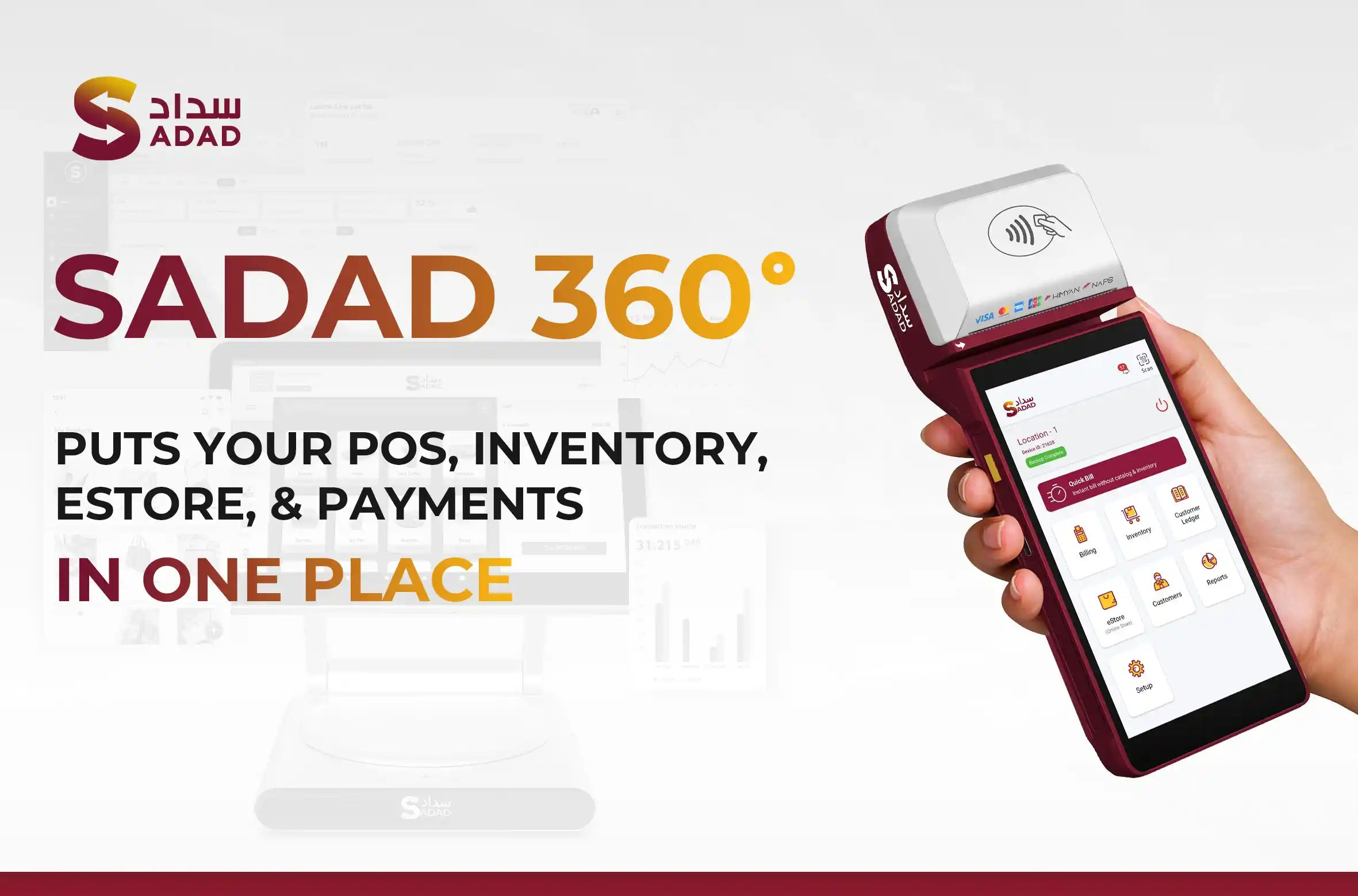
Articles
SADAD 360: The All-in-One Business Suite Built for Qatar’s SMEs
SADAD 360: The All-in-One Business Suite Built for Qatar's SMEs Most businesses in Qatar aren't struggling because of bad products or poor service. They're struggling because they're running their operations...
Read more