
Articles
Payment Fraud in Qatar: What Every Coffee Shop, Restaurant, and Retail Owner Needs to Know in 2026
Payment Fraud in Qatar: A Local Business Owner’s Guide to Getting Paid Safely
It doesn’t always look dramatic.
Sometimes it’s a customer who taps and pays, picks up their order, and walks out, and three weeks later, their bank reverses the charge because the card was stolen.
Sometimes it’s a QR code on your café table that a stranger swapped out overnight, quietly rerouting every customer payment away from your account.
These aren’t edge cases anymore. And they’re not just happening overseas.
Qatar’s payments market processed over QR 11.59 billion in card transactions in a single month in 2025, across more than 50 million individual transactions, according to QCB data.
At that volume, fraud isn’t a remote risk for local businesses; it’s a statistical certainty that some of those transactions aren’t clean.
What makes this harder for small business owners is that most of the fraud content out there is written for US or European companies, with different payment rails, different regulations, and different fraud patterns.
It doesn’t map to running a coffee shop in The Pearl, a clothing store in Al Rayyan, or a restaurant in Lusail.
This guide is different.
I’m covering exactly what payment fraud looks like for merchants in Qatar in 2026, which fraud types actually hit local businesses, what the QCB regulatory framework does and doesn’t protect you from, and the practical steps you can take today to close the gaps.
Qatar’s Payments Boom Has Outpaced Most Merchants’ Awareness of Fraud
Qatar’s payments market hit USD 7.04 billion in 2025 and is on track to nearly double by 2030.
That growth is real, it’s fast, and it’s visible in every café and retail outlet across Doha. Tap-to-pay is now the default. QR codes are on café tables, market stalls, and delivery receipts. Fawran instant transfers are picking up speed.
But here’s the thing most business owners miss: fraud scales with payment volume. The more transactions you process, the more exposure you carry, whether you know it or not.
The post-FIFA 2022 wave accelerated digital payment adoption for Qatari merchants faster than almost any other market in the region.
A Visa study found that 86% of Qatari merchants now consider digital acceptance essential to their business. That’s not surprising. What is surprising is how many of those same merchants have never thought about what happens when a transaction goes wrong, and who carries the cost.
Most fraud content online is written for US or European businesses. Different card networks, different dispute rules, different fraud patterns. It doesn’t map cleanly to a restaurant in Lusail or a boutique in Katara.
Qatar runs on NAPS for domestic cards, falls under QCB regulation, and serves a consumer base that’s largely expatriate, creating fraud dynamics that are genuinely local.
Understanding that context is the first step to protecting your revenue. And once you see how Qatar’s rapid shift away from cash changes your fraud exposure, the next step becomes much clearer: knowing exactly which fraud types are hitting merchants like you right now.
Related: Qatar Payments Market 2026: The Data, the Trends, and What Every Business Needs to Know.
The 5 Payment Fraud Types That Actually Hit Qatar Merchants
Now that you understand why the exposure is real, let’s get into what it actually looks like for a business like yours.
Most fraud guides throw everything at you: synthetic identity fraud, triangulation schemes, and card testing bots.
Most of that isn’t what’s landing in a café in The Pearl or a retail shop in Msheireb. Here are the five types that show up most often at the merchant level in Qatar’s current payment environment.
#1 Chargeback fraud (friendly fraud).
A customer buys something, receives it, and then disputes the charge with their bank. According to Chargebacks911’s 2024 Field Report, major card networks estimate that up to 70% of all credit card fraud stems from this kind of dispute abuse. It’s especially common for WhatsApp orders and online sales where delivery proof is thin.
#2 Stolen card usage at POS.
Someone pays with a physically stolen card or uses stolen credentials online. The transaction clears. You hand over the goods.
Weeks later, the real cardholder disputes it, and you carry the chargeback. No warning, no obvious signal when it happens.
#3 QR code tampering.
This one hits cafés and restaurants hardest. Fraudsters place fake QR code stickers over your legitimate payment codes on tables or menu boards, usually overnight.
Customers scan, enter their card details, and the payment goes somewhere else entirely. The restaurant notices only when reconciliation doesn’t add up.
#4 Supplier and vendor impersonation.
More relevant for retail operations with supplier relationships. A convincingly written fraudulent email instructs you to update a bank account for an upcoming payment. The money moves. The real supplier follows up to ask where it is.
#5 Social engineering targeting your staff.
A call, a message, or a fake support request designed to get a cashier or manager to share credentials or authorize a transaction. Staff awareness is the only defense here, and it’s the most consistently undertrained one.
Understanding these five patterns is useful. But knowing which ones your payment setup is actually protecting you from is more important, and that starts with understanding what Qatar’s regulatory framework does and doesn’t cover.
Before that, if you want to see the most common fraud patterns in Qatar’s digital payment landscape, that’s a useful reference.
Related: 10 Signs Your Business Is Exposed to E-Fraud.
What Qatar’s Payment Regulations Actually Cover (And the Gap You’re Responsible For)
Knowing the types of fraud is one thing. Understanding who’s actually liable when something goes wrong is where most Qatari merchants have a blind spot.
Here’s the honest picture: The QCB requires every payment service provider operating in Qatar to hold a license, comply with AML and KYC protocols, and build fraud prevention into its infrastructure.
That creates a solid foundation. When you work with a licensed provider, you’re operating within a regulated dispute framework under the Qatari courts’ jurisdiction, not a foreign entity with no local presence.
But the QCB framework protects the ecosystem. It doesn’t automatically protect your individual transaction.
The concept that actually governs your day-to-day exposure is called the liability shift.
It works like this: if you process a card payment using an EMV-compliant terminal and fraud occurs, the liability moves to the card issuer, not you.
The same logic applies online with 3D Secure authentication. If 3DS is used, the customer is properly authenticated, and fraud still occurs, the bank absorbs the loss, not your business.
Flip that around. If you’re processing payments through a non-EMV terminal, skipping 3DS online, or using an unlicensed gateway outside the NAPS framework, you bear the loss yourself. Every time.
This is worth sitting with for a moment. Qatar has no mandatory merchant reimbursement rules for fraud losses, unlike those introduced by regulators in the UK for push payment fraud.
That gap in consumer-side protection means more disputes end up at the merchant level, not at the bank.
The practical takeaway: your payment security setup determines how much fraud risk you personally carry.
Knowing the five types of fraud from the previous section provides useful context. But the next section is where it becomes actionable.
6 Things You Can Do Right Now to Cut Your Fraud Exposure
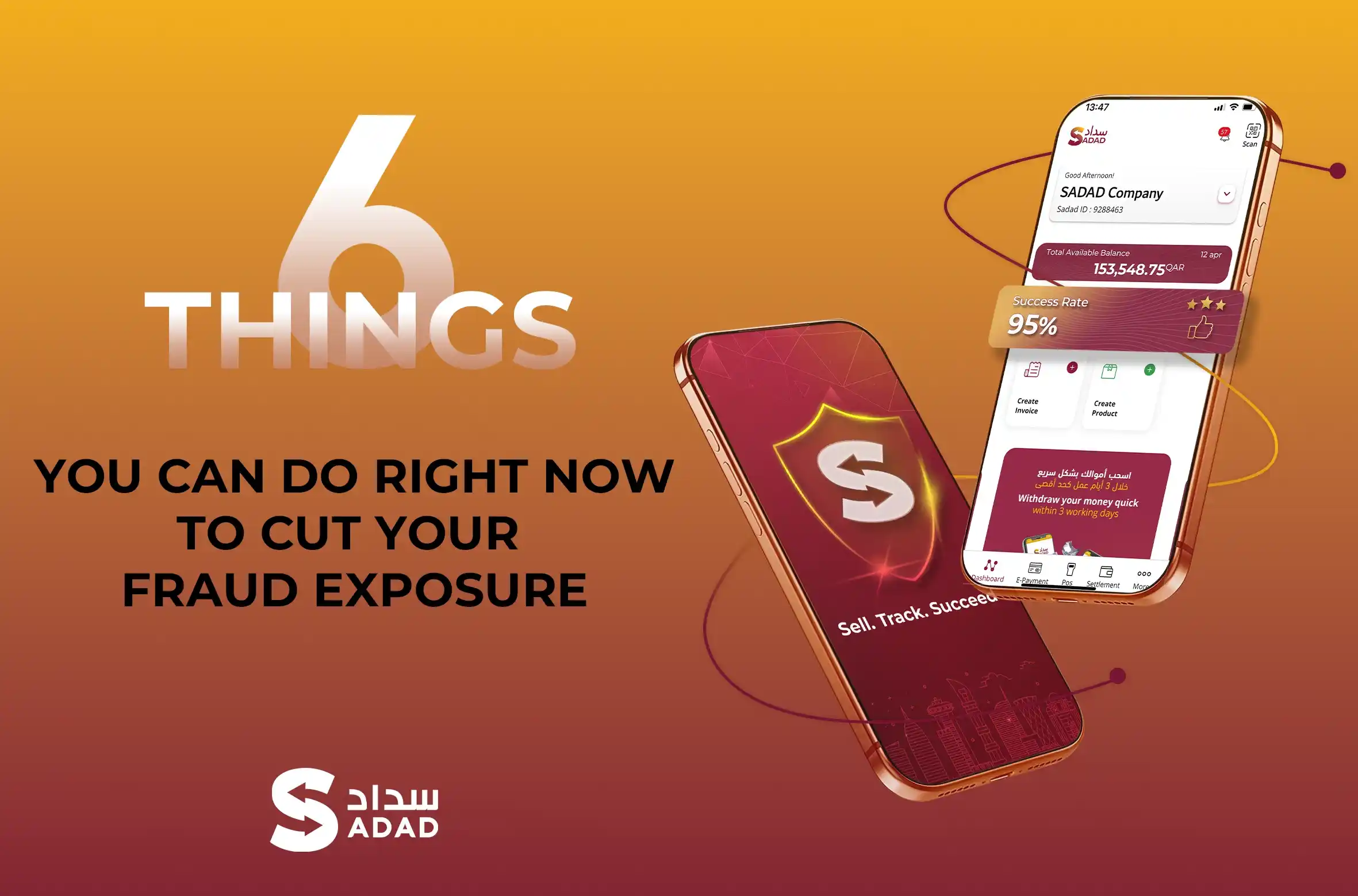
Now you know where the gaps are. Here’s how to close them, without overhauling your entire operation.
First One: Use a QCB-licensed provider and stay there.
Processing through an unlicensed or foreign gateway means you have no access to local dispute resolution, no NAPS infrastructure, and no recourse under Qatari law if something goes wrong.
This is the single biggest structural decision you make, and most merchants make it without thinking about fraud at all.
Second, check your QR codes before every service.
For cafés and restaurants, make this a daily open. Look for sticker overlays on your table codes, damaged edges, or codes that look slightly different from yesterday.
It takes 90 seconds. A tampered code can redirect an entire day’s payments without a single alert.
Third One: Train your cashiers on one thing: card hesitation.
The clearest signal at a POS is a customer who doesn’t want to tap or insert their chip and instead prefers manual entry.
EMV chip transactions are what shift fraud liability to the card issuer. If your team accepts magnetic swipes on chip-capable cards, you bear the loss. Install EMV-compliant terminals and train staff to use them correctly.
Fourth One: Enable 3D Secure for every online transaction.
According to Visa’s transaction data, authenticated transactions show approximately a 45% reduction in fraud compared to non-authenticated ones.
More importantly, successful 3DS authentication shifts fraud liability from you to the card issuer.
If you sell online and 3DS isn’t active, you’re absorbing losses that don’t need to be yours.
Fifth One: Keep delivery evidence for every WhatsApp and online order.
For chargeback disputes, you win or lose on documentation. Timestamps, order confirmations, screenshots, and delivery photos are your evidence file. Build the habit before you need it.
Sixth One: Monitor transactions in real time, not at the end of the day.
By the time your nightly report runs, a fraud pattern has already completed multiple cycles. SADAD’s merchant dashboard flags suspicious transactions as they happen, so you can act before the damage compounds.
These six steps don’t require a security team or a compliance budget. They require a decision.
The next section covers what your payment infrastructure should be doing automatically, so you’re protected even when your attention is elsewhere.
Your Payment Stack Is Your First Line of Defense
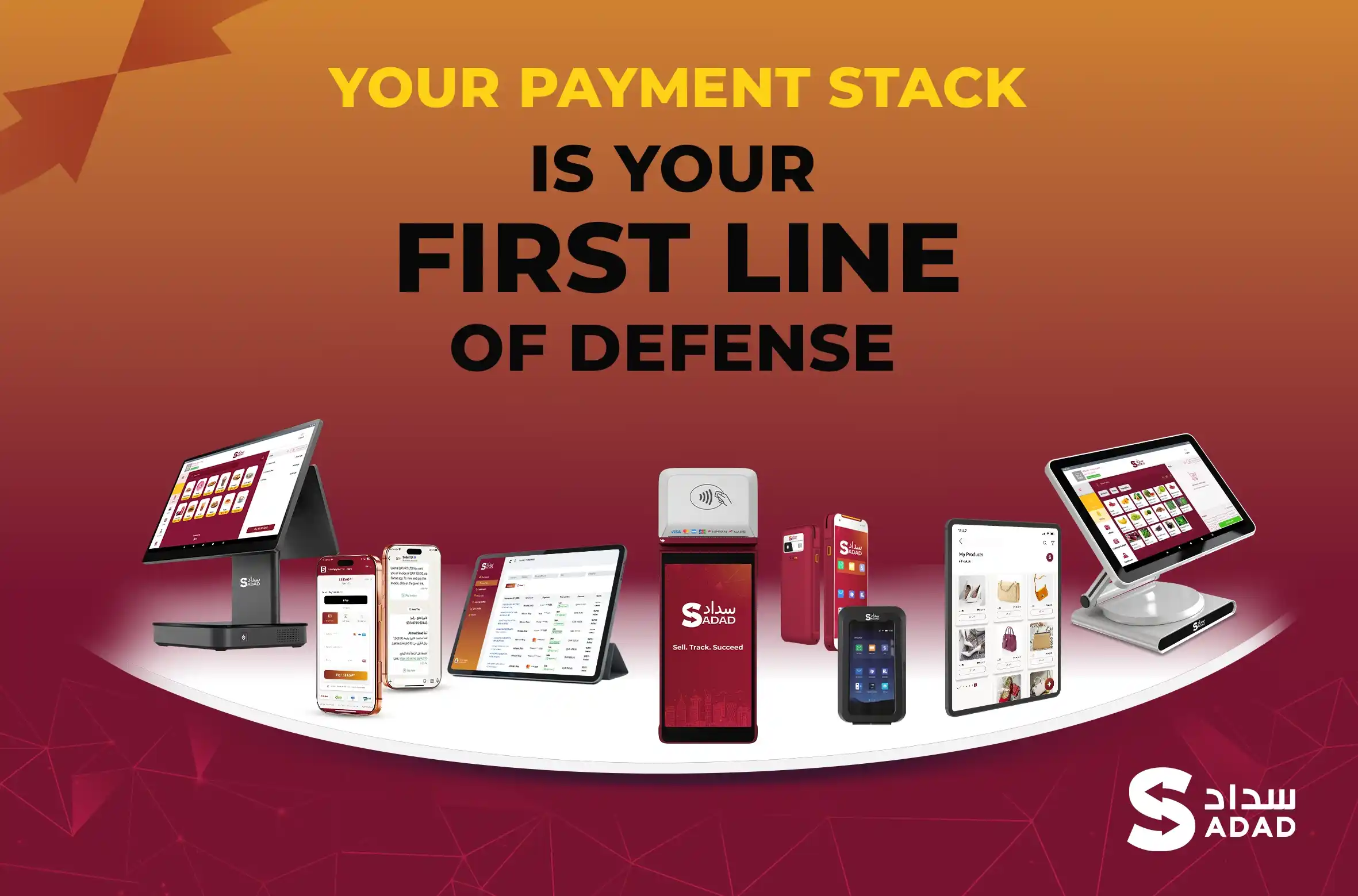
The six steps in the previous section are habits. But habits fail on busy nights, during Ramadan rush hours, and when you have three staff members instead of five.
That’s when your payment infrastructure either covers you, or it doesn’t.
Most merchants in Qatar treat their payment provider as a commodity. A way to get paid. They pick based on fees, maybe onboarding speed, and move on.
What they don’t think about is what that provider is doing on every single transaction, quietly, in the background, whether they’re watching or not.
The gap between providers here is significant. A foreign gateway sitting outside NAPS routes your payments through intermediaries overseas.
No local dispute resolution. No QCB jurisdiction. No recourse when something goes wrong at 11 pm on a Friday.
A properly built local stack looks different. It runs on QCB licensing, connects directly to NAPS, carries PCI-DSS and ISO 27001 certification, and uses AI trained on Qatari transaction patterns, not global averages, to flag what’s actually suspicious in this market.
It also keeps your data inside Qatar, on local infrastructure, which matters for both compliance and speed.
SADAD is built exactly this way. PCI-DSS and ISO 27001 certified, directly connected to NAPS as one of the first fintechs in Qatar to achieve that, a Principal Member of Visa and Mastercard, and running AI fraud detection that learns from local patterns with every transaction.
Its acquiring infrastructure covers the full payment stack: POS, online, SoftPOS, QR, and payment links, all reconciling in one place.
For a café owner in West Bay or a retailer in Msheireb, that means fraud protection that runs without you having to think about it. That’s what built-for-Qatar infrastructure actually means in practice.
Frequently Asked Questions About Payment Fraud in Qatar
What should I do if a fraudulent transaction goes through my POS?
Move fast. Contact your payment provider’s support team immediately and get the transaction ID, amount, time, and terminal number recorded.
If you’re working with a QCB-licensed provider, you have access to a local dispute process under Qatari law. Document everything: receipts, camera footage if available, and any customer details captured at the time.
The window to file a chargeback dispute is short, typically a matter of days, so waiting until the end of the week isn’t an option.
Knowing how to verify your gateway’s security setup before a problem occurs puts you in a far stronger position when one does.
Is QR code fraud actually happening in Qatar?
Yes. QR code tampering has been documented in F&B environments globally, and Qatar’s high QR adoption rate makes it a realistic target.
The mechanics are simple: a sticker placed over your legitimate code redirects payment to a fraudster’s account. Your customers think they’re paying you.
Daily inspection before service starts is the most effective countermeasure, and it costs nothing.
Does 3D Secure protect me from all chargebacks?
Not all of them. 3DS authentication shifts liability for unauthorized transaction fraud to the card issuer.
But friendly fraud, where a customer disputes a legitimate charge they actually made, still falls on you to defend with evidence.
Receipts, delivery confirmations, and timestamped order records are what win those disputes.
Is cash safer than digital payments for avoiding fraud?
Cash carries its own risks: theft, counterfeit notes, reconciliation errors, and a zero transaction trail if something goes wrong.
Digital payments at least give you a record. The real question isn’t cash versus digital. It’s whether your digital setup has the right protections in place.
Understanding what payment solutions actually cover is a better starting point than defaulting to cash.
Getting Paid in Qatar Shouldn’t Come with Hidden Risk
Payment fraud in Qatar is real, it’s growing alongside the market, and it’s landing on merchants who never thought it would happen to them.
The businesses that get hit hardest aren’t the ones with the worst luck. They’re the ones whose payment setup left gaps that anyone, a fraudster with a QR code sticker, a customer with buyer’s remorse, and a bank app, could walk through.
The fix isn’t complicated. It starts with understanding your exposure, choosing infrastructure that covers it, and building a few habits your team can actually stick to.
Do those three things, and most of what this article covered will stop being your problem and become someone else’s liability.
If you’re building or reviewing your payment setup in Qatar, start with a platform that was built for this market from the ground up.
Last Articles
Articles
Online Payment: How Does It Contribute to Improving Customer Experience?
Online Payment Solutions: How They Elevate Customer Experience and Drive Sales Growth A seamless and secure online payment experience serves as the foundation for success in modern e-commerce, smart stores...
Read more
Articles
SADAD Cloud | An Integrated Cloud Platform for Managing Online Payments and Financial Collections in Qatar
Sadad Cloud: An Integrated Cloud Platform for Managing Online Payments and Financial Collections in Qatar Amid Qatar’s rapid digital transformation and the growing shift toward automated financial operations, payment management...
Read more
Articles
Online Store: 10 Must-Have Features for Easy and Professional Management
10 Must-Have Features to Build and Manage a Professional Online Store Easily Building a professional online store no longer requires months of development or a massive budget. With Sadad—best payment...
Read more