
Articles
Qatar Online Store Payments: The Complete Guide for E-commerce Sellers in 2025
How to Accept Payments for Your Online Store in Qatar: Everything E-commerce Sellers Need to Know
Most Qatar sellers who lose sales at checkout don’t know that’s where they’re losing them. They assume it’s the price, the product photo, or the ad.
But a significant share of abandoned carts in this market can be traced back to one moment: the customer reaches checkout, doesn’t see a payment method they trust, and leaves.
Qatar’s e-commerce market reached USD 4.54 billion in 2025, with smartphones accounting for nearly 70% of transaction value. The buyers are ready.
But Qatar has a specific payment landscape that most store setups never account for, and that mismatch is where revenue disappears.
The payment methods that dominate globally don’t work reliably here. PayPal and Stripe aren’t properly licensed in Qatar for merchant accounts.
The methods that actually convert with local buyers, Visa and Mastercard through a QCB-licensed gateway, Himyan debit cards via NAPS, Apple Pay, and payment links require infrastructure that not every gateway provides.
I’ve seen businesses spend months building a beautiful online store, only to lose the majority of potential revenue because the checkout step wasn’t built for this market.
This guide covers everything: which payment methods Qatar buyers expect, how to choose the right gateway, the three available integration paths, what QCB compliance means for your business, and how to optimize your checkout for this market.
Why Qatar’s Payment Landscape Is Different From Most Markets?
Qatar is not just another digital payments market. It is one of the most structured payment regulatory environments in the Gulf.
The Qatar Central Bank doesn’t just oversee banks; it licenses payment service providers directly. That means the gateway you plug into your store determines your legal standing as a business, not just how transactions are processed.
Stripe is unavailable for Qatari business entities, and PayPal does not offer full QAR merchant account support for businesses registered in Qatar.
Sellers who use these platforms because they’re familiar with global markets end up with limited accounts, settlement delays, or compliance exposure that surfaces slowly and at the worst possible times.
The infrastructure side tells a different story. Qatar has 99% internet penetration and 95% smartphone adoption, with smartphones driving 69.17% of all e-commerce transaction value in 2025. Buyers here expect a checkout that feels fast and familiar on mobile.
What this creates is a specific requirement for any online store in Qatar: a QCB-licensed gateway connected to Qatar’s national payment network and built to handle the local payment methods buyers actually use.
International platforms without that foundation leave you running a store that works technically but fails commercially.
Related: What Payment Solutions Mean in Qatar.
What Payment Methods Qatar Customers Actually Expect at Your Checkout
The regulatory layer explains why your gateway choice matters. This section covers what your buyers expect to see once they arrive.
Most Qatar store setups fall short here, not from carelessness, but from optimizing for a global standard and skipping the local layer entirely.
Visa and Mastercard
Remain the foundation. Cards held 38.92% of Qatar’s e-commerce checkout volume in 2025.
These must be processed through a QCB-licensed acquiring gateway, not routed through a global processor with no local presence.
Himyan
It is Qatar’s national debit card, launched by the QCB and processed via NAPS.
It works for online purchases through the QPay portal and became mandatory for payments to government agencies from February 2025.
Sellers without NAPS integration cannot accept Himyan cards, thereby cutting off a growing segment of buyers who use Qatar’s national payment infrastructure.
Apple Pay
is genuinely relevant here. Qatar has a high iPhone penetration, and multiple major banks support it. A checkout that accepts Apple Pay removes the card entry step entirely for mobile shoppers, which lifts conversion.
Payment links
Matters more in Qatar than in most markets because a large share of commerce happens through WhatsApp, Instagram, and social channels. A link sent through chat converts buyers who never visit a website.
Bank transfer screenshots, informal payment confirmations, and any method not processed through a licensed gateway. These create fraud risk, and your buyers are increasingly aware of the difference.
Each method above covers a different buyer segment. Miss one and you’re cutting off a group of people who were ready to buy.
Related: Online Payment Methods Available in Qatar.
How to Choose a Payment Gateway for Your Qatar Store: 4 Things That Matter Before Features Do
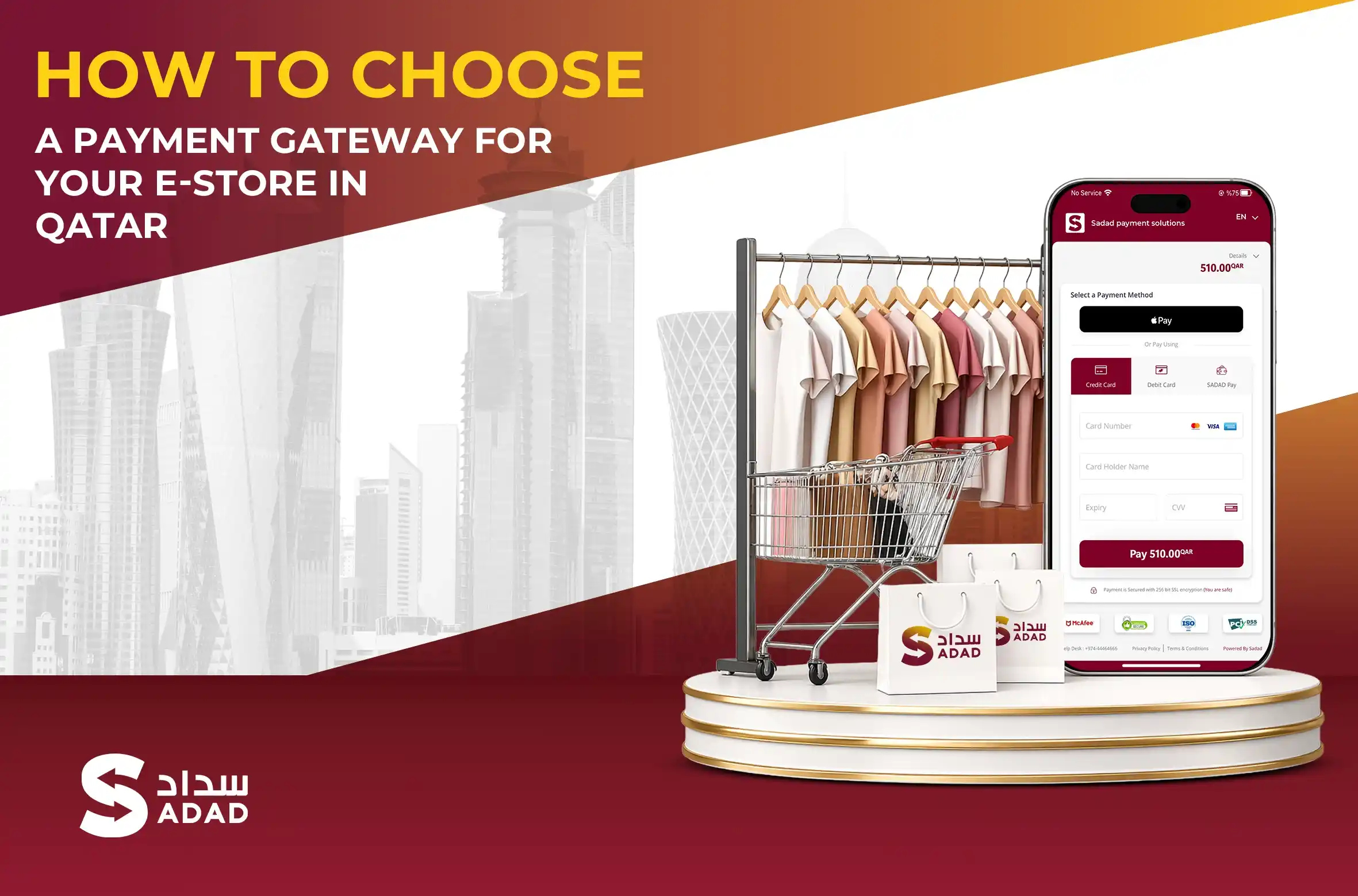
You know which payment methods your buyers expect. The next question is which gateway actually delivers them in Qatar.
Most sellers get this wrong. They pick the gateway with the best-looking dashboard or the lowest advertised fee, start building, and six months in, hit a wall: settlement delays, a compliance flag from their bank, or a customer who can’t pay because Himyan isn’t supported.
Gateway selection in Qatar has a different starting point than in most markets. Four things must be true before pricing or features enter the conversation.
#1 QCB licensing.
The provider must hold a valid QCB license as a payment service provider. This is not optional. Operating through an unlicensed gateway creates regulatory risk unrelated to your product.
#2 Direct NAPS/QPay integration.
If your gateway isn’t connected to Qatar’s national ATM and payment network, it cannot process Himyan cards or domestic debit transactions.
SADAD was announced by QCB as the first fintech company to establish direct integration with NAPS and QPay, a direct connection, not a partnership arrangement.
#3 Settlement speed.
How quickly does money reach your account? Same-day or T+1 settlement is the standard in Qatar. Slow settlement hurts cash flow in ways that don’t show up in a demo.
#4 Platform compatibility.
Does it work natively with your store, Shopify, WooCommerce, or a custom build? Middleware workarounds create friction and break points that cost more to maintain than a proper integration from the start.
After those four, evaluate fees, Arabic checkout support, and chargeback dispute handling.
Related: Best Payment Gateway Solutions in Qatar.
The Three Ways to Integrate a Payment Gateway Into Your Qatar Online Store
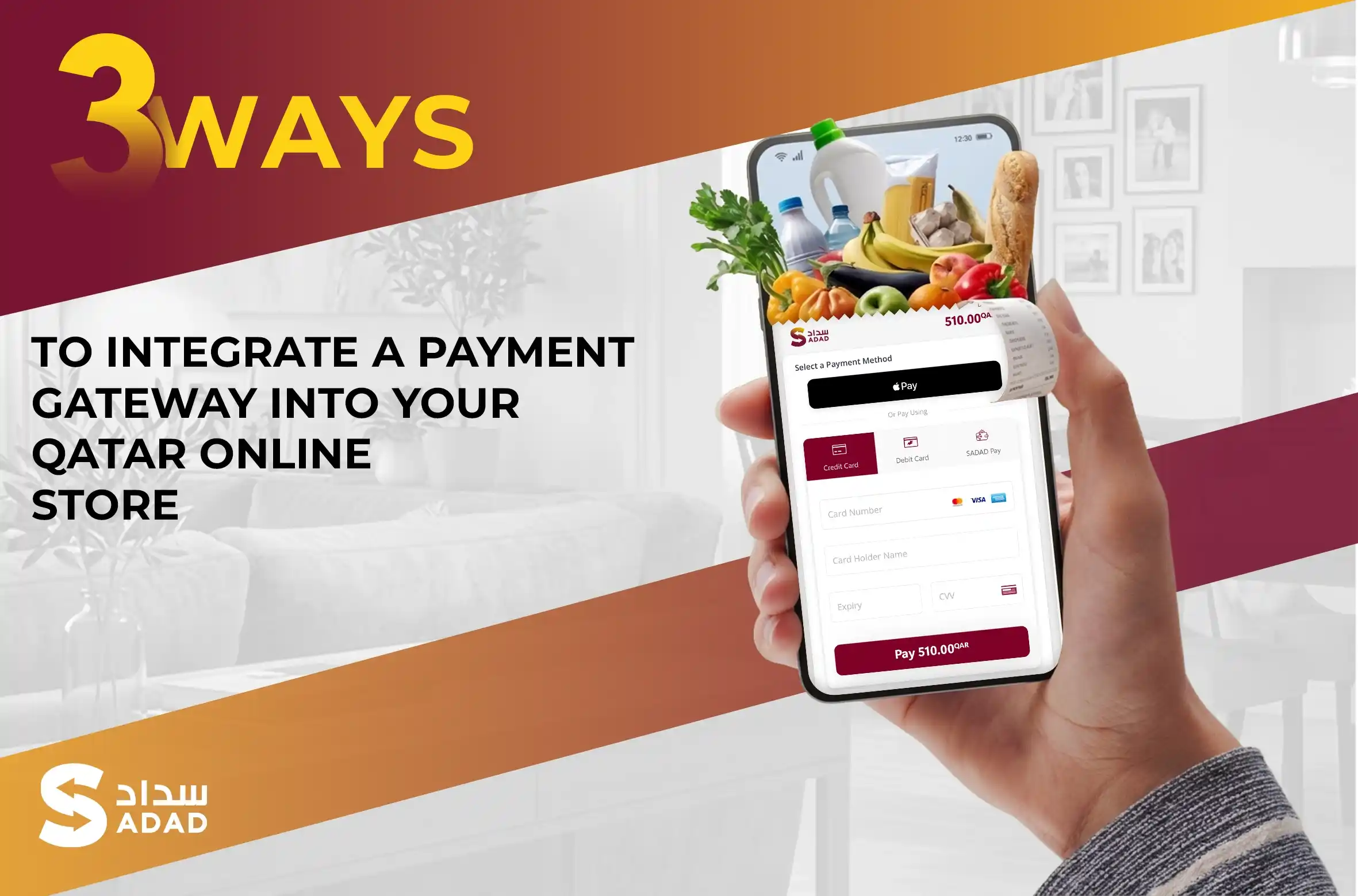
Once you have a QCB-licensed, NAPS-connected gateway, the next decision is how you connect it to your store. Sellers tend to over-engineer at launch or under-build as they scale. Matching the integration method to your business stage saves a significant rebuild later.
Option 1: Hosted Payment Page.
Your customer clicks “pay,” gets redirected to a secure checkout page hosted by the gateway, then returns to your store.
No coding required, fully PCI compliant by default, and live within days.
This is the right starting point for most Shopify stores and businesses launching quickly. SADAD’s Shopify integration works through this model with a dedicated plugin.
Option 2: Embedded iFrame Checkout.
The payment form sits directly inside your store’s checkout page.
Your customer never gets redirected, which reduces the drop-off that happens when buyers land on an unfamiliar page mid-purchase. Some technical setup required, but no deep development work.
Right for established stores that want a branded checkout experience.
Option 3: Direct API Integration.
Your development team builds a fully custom checkout using the gateway’s API. Complete control over design, logic, and flow.
Highest conversion potential when executed well, but requires development resources and ongoing maintenance. This is the right path for custom-built stores, mobile apps, and enterprise platforms. SADAD’s ERP and API integration guide covers the technical specifications.
The integration you choose today doesn’t lock you in. Most businesses start with a hosted page and migrate to embedded checkout once volume justifies the switch.
No Website Yet? You Can Still Accept Card Payments in Qatar
This is worth saying directly because many Qatar-based sellers operating on Instagram, WhatsApp, and other social channels assume they need a full website before accepting card payments properly. They don’t.
The infrastructure powering a full e-commerce checkout also powers payment links, QR codes, and digital invoices, all of which work without a website.
A payment link is generated in seconds through your dashboard. Send it over WhatsApp, Instagram DM, SMS, or email.
The customer pays via a secure hosted checkout page, and the settlement is sent directly to your account. No screenshots, no bank transfer confirmations. The transaction is verified, recorded, and fully QCB-compliant.
In Qatar, this channel isn’t a stepping stone to a real store.
For social commerce businesses, service providers, and home-based sellers, a payment link sent via a conversation serves as the checkout. It meets buyers where they already are and removes every barrier between intent and payment.
QR code payments work for in-person handoffs and delivery-on-receipt models. Digital invoices with embedded payment buttons handle billing for service businesses after work is completed.
When your business grows to the point where a full storefront makes sense, SADAD’s smart store gives you a ready-built online presence on top of the same gateway infrastructure, no rebuild required.
What QCB Compliance Actually Means for Your Qatar E-commerce Store
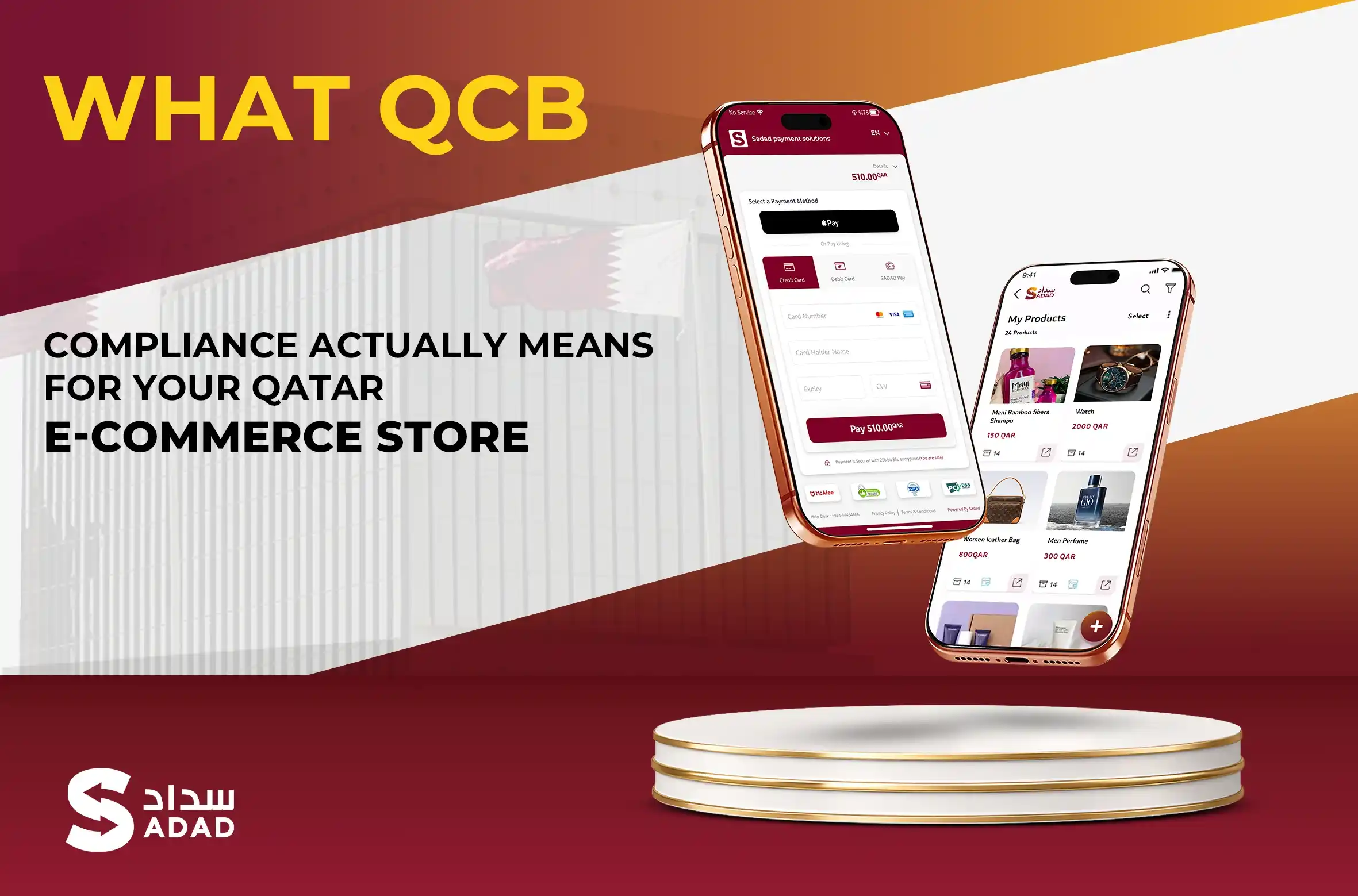
Whether you’re running a full store or sending payment links, the compliance layer applies either way. Understanding it before a problem surfaces is considerably cheaper than understanding it after a problem surfaces.
“QCB compliance” gets treated as a single checkbox: use a licensed gateway and you’re done. There are actually three separate layers.
The gateway layer.
Your payment provider must hold a valid QCB license. Ask to see the actual license, not a claim on a website.
When QCB publicly named SADAD as the first fintech with direct NAPS and QPay integration, that was a verifiable public record. That’s the level of verification worth looking for.
The data layer.
Qatar’s Law No. 13 of 2016 applies to all customer payment data your store handles. You cannot store raw card numbers yourself.
You must notify authorities within 72 hours of a breach. Liability sits with whoever collected the data, which is you, not your gateway.
A gateway that tokenizes at the point of entry handles this automatically.
The commercial license layer.
You need a valid commercial registration from MOCI with e-commerce listed as an approved activity.
The Theqa e-commerce trustmark, issued by MoTC, builds on that registration and signals compliance to buyers. It’s voluntary, but it’s increasingly a conversion factor with Qatari national shoppers.
Get all three right and compliance is built into your store’s architecture, not bolted on after something goes wrong.
Related: Security and Compliance.
How to Optimize Your Qatar Store Checkout and Stop Losing Sales at the Last Step
Your store is compliant, and your gateway is connected. Now the question is whether your checkout is actually built for the buyers using it.
Stripe’s research found that adding just one relevant local payment method beyond cards increases conversion by an average of 7.4% and revenue by 12%. Apple Pay alone drove a 22.3% lift in conversion.
In a market where smartphones drive nearly 70% of transaction value, that’s not a theoretical number.
Here is what that translates to specifically in Qatar.
- Price in QAR. The moment a Qatari buyer sees USD or EUR at checkout, doubt enters the transaction. Show the Qatari Riyal from the product page to the payment confirmation.
- Support Arabic. A checkout that only functions in English loses buyers at exactly the point where they’re deciding whether to trust you with their money.
- Optimize for mobile. If your checkout requires zooming, re-entering card numbers after a timeout, or navigating multiple pages on a small screen, you’re losing sales to friction that’s entirely preventable.
- Remove forced account creation. First-time buyers who must register before purchasing abandon at a significantly higher rate. Guest checkout is expected.
- Show trust signals. QCB-licensed provider branding, card network logos, and security badges reduce hesitation. Buyers in Qatar increasingly recognize what a legitimate checkout looks like.
Optimization for checkout in Qatar is a localization problem first. Fix the local layer before you touch anything else.
Related: Customer Retention in E-commerce: How to Do It.
Frequently Asked Questions About Accepting Payments for Your Qatar Online Store
Can I use PayPal or Stripe for my Qatar online store?
Not reliably. Stripe is unavailable for Qatari business entities, and PayPal lacks full QAR merchant account support for businesses registered in Qatar.
Sellers who use them anyway run into account limitations, settlement delays, and compliance exposure. A QCB-licensed gateway is both the right commercial choice and the legal one.
Do I need a QCB license to accept payments?
Not personally, but your payment provider does. Your job is to verify that the gateway holds a valid QCB license.
You also need a commercial registration from MOCI with e-commerce listed as an approved activity before any licensed gateway will onboard you as a merchant.
What is the fastest way to start accepting payments online in Qatar?
A payment link through a QCB-licensed provider requires no website and can be live in hours.
For store-based sellers, a hosted payment page through a Shopify plugin typically takes one to two days.
SADAD’s fast onboarding process is designed specifically to help Qatar businesses start collecting payments quickly.
Why are customers abandoning at checkout?
In Qatar, the most common causes are missing payment methods (especially Himyan or Apple Pay), pricing in a foreign currency, a mobile-optimized checkout, and forced account creation. Fix those four, and abandonment drops noticeably.
How do I accept payments from customers using Qatari bank debit cards?
You need a gateway directly integrated with NAPS. Without that connection, Himyan cards and NAPS-routed debit transactions cannot be processed.
For businesses targeting Qatari national buyers, this is non-negotiable. SADAD is built for small and growing businesses in Qatar with direct NAPS integration as part of its core infrastructure.
Your Qatar Store Is Ready. Your Payment Infrastructure Should Be Too.
Every section of this guide points to the same conclusion. Qatar’s e-commerce market is growing, local buyers are spending online, and the infrastructure exists to collect payments securely, compliantly, and in the exact way those buyers expect. The only variable is whether your payment setup is built for this market or stitched together from somewhere else.
A store with the right products, right pricing, and right marketing still loses revenue at checkout when the payment layer isn’t built for Qatar.
Buyers who can’t pay with their Himyan card, see foreign-currency pricing, or land on an unfamiliar checkout page don’t file a complaint. They just leave.
SADAD is Qatar’s first independent, QCB-licensed payment solutions company, with direct integration with NAPS and QPay, the national payment network that enables Himyan and domestic debit transactions.
It supports Visa, Mastercard, Apple Pay, and payment links through a single platform, with a native Shopify integration and API access for custom-built stores.
From the first payment link sent over WhatsApp to a full online acquiring solution powering a growing store, the infrastructure scales with your business without requiring a rebuild at each stage. Register with SADAD and start accepting payments the right way.
Last Articles
Articles
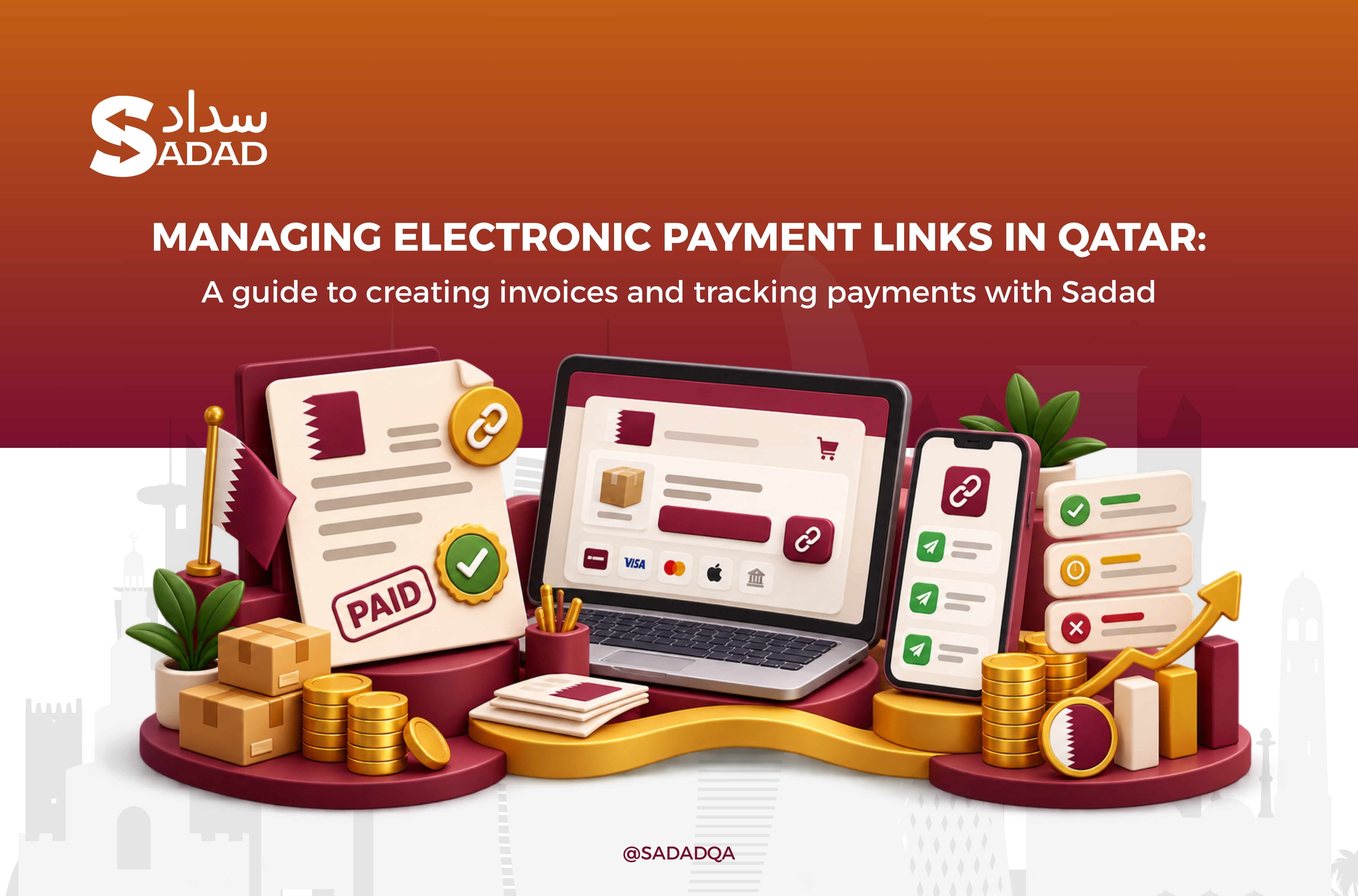
Payment Link Management in Qatar: Creating Invoices and Tracking Payments with Sadad 2026
Payment Links in Qatar: A Guide to Creating Invoices and Tracking Payments with Sadad If you sell products or provide services in Qatar, you may have experienced a familiar situation:...
Read more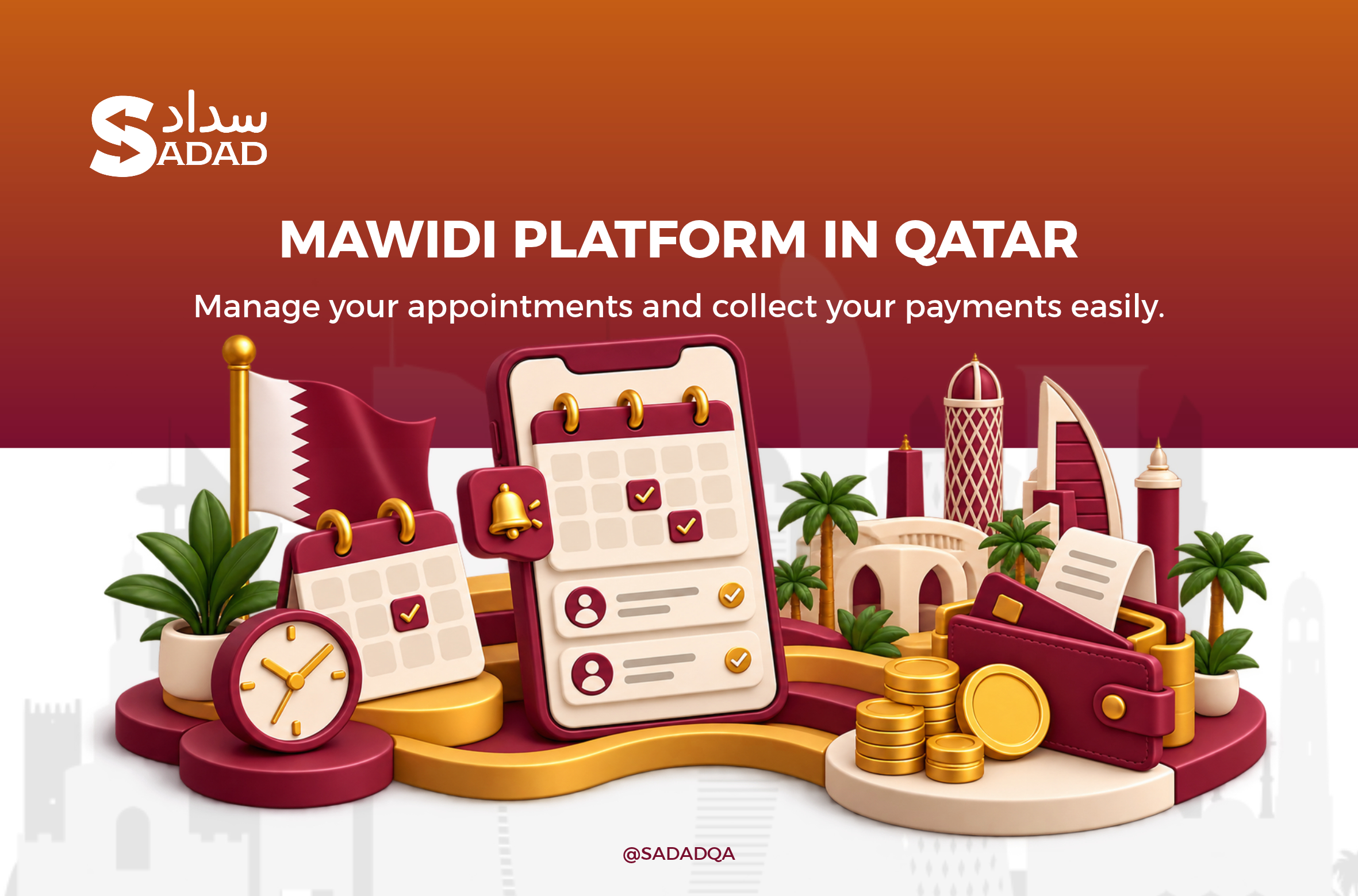
Articles
Appointment Booking Platform in Qatar 2026| Mawidy by Sadad
Appointment Booking Platform in Qatar | Mawidy by Sadad: A Complete Guide to Appointment Management and Online Payments for Businesses Sadad Keeps Bringing You New Solutions! As digital services continue...
Read more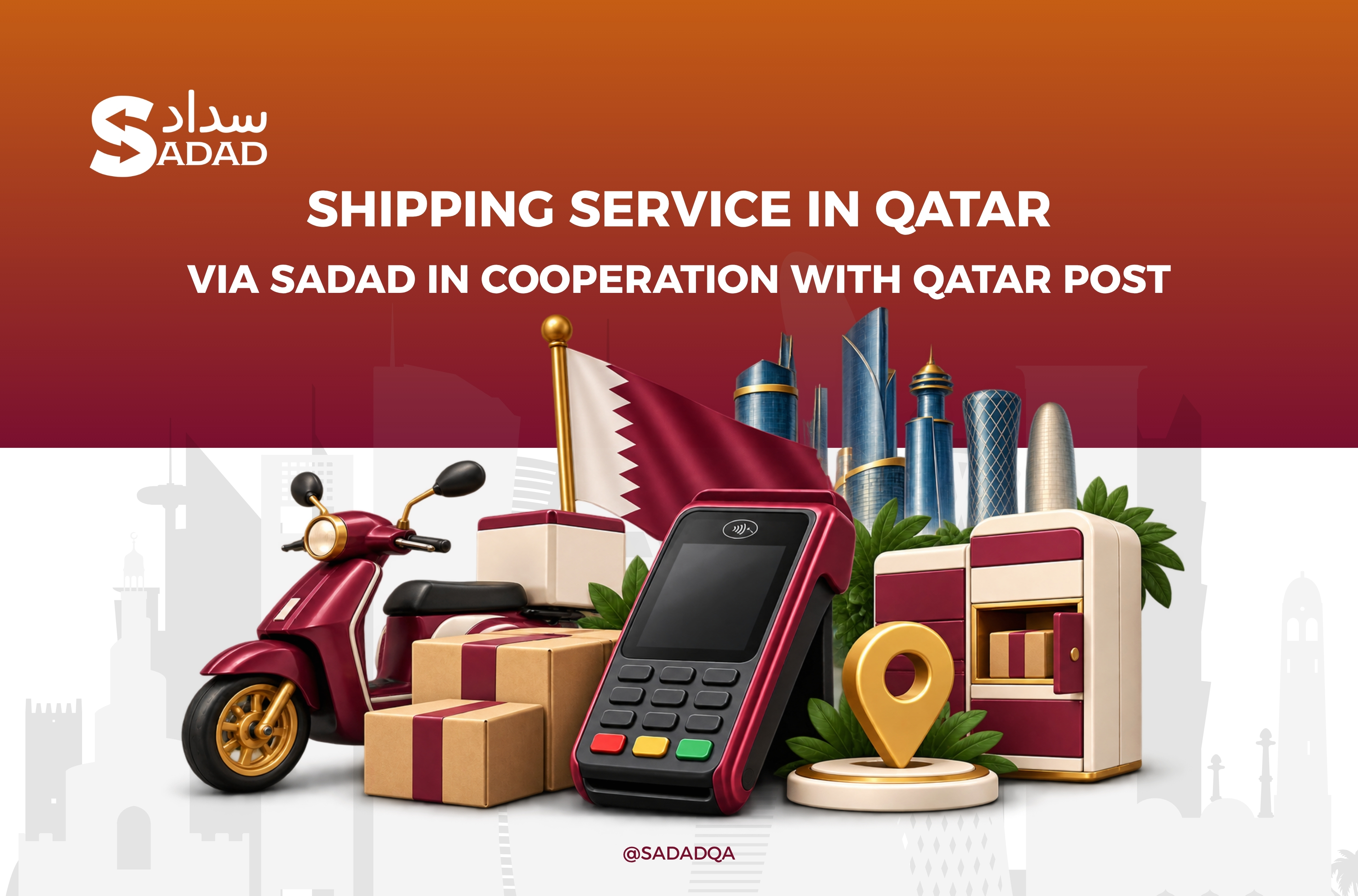
Articles
Shipping in Qatar via Sadad in Partnership with Qatar Post 2026 | Door-to-Door Shipping
Shipping in Qatar via Sadad in Partnership with Qatar Post | Door-to-Door Shipping Shipping in Qatar has traditionally been associated with Qatar Post and a specific range of delivery services....
Read more