
Articles
Best POS device in Qatar: Why SADAD Plus Outperforms Bank-Issued Terminals
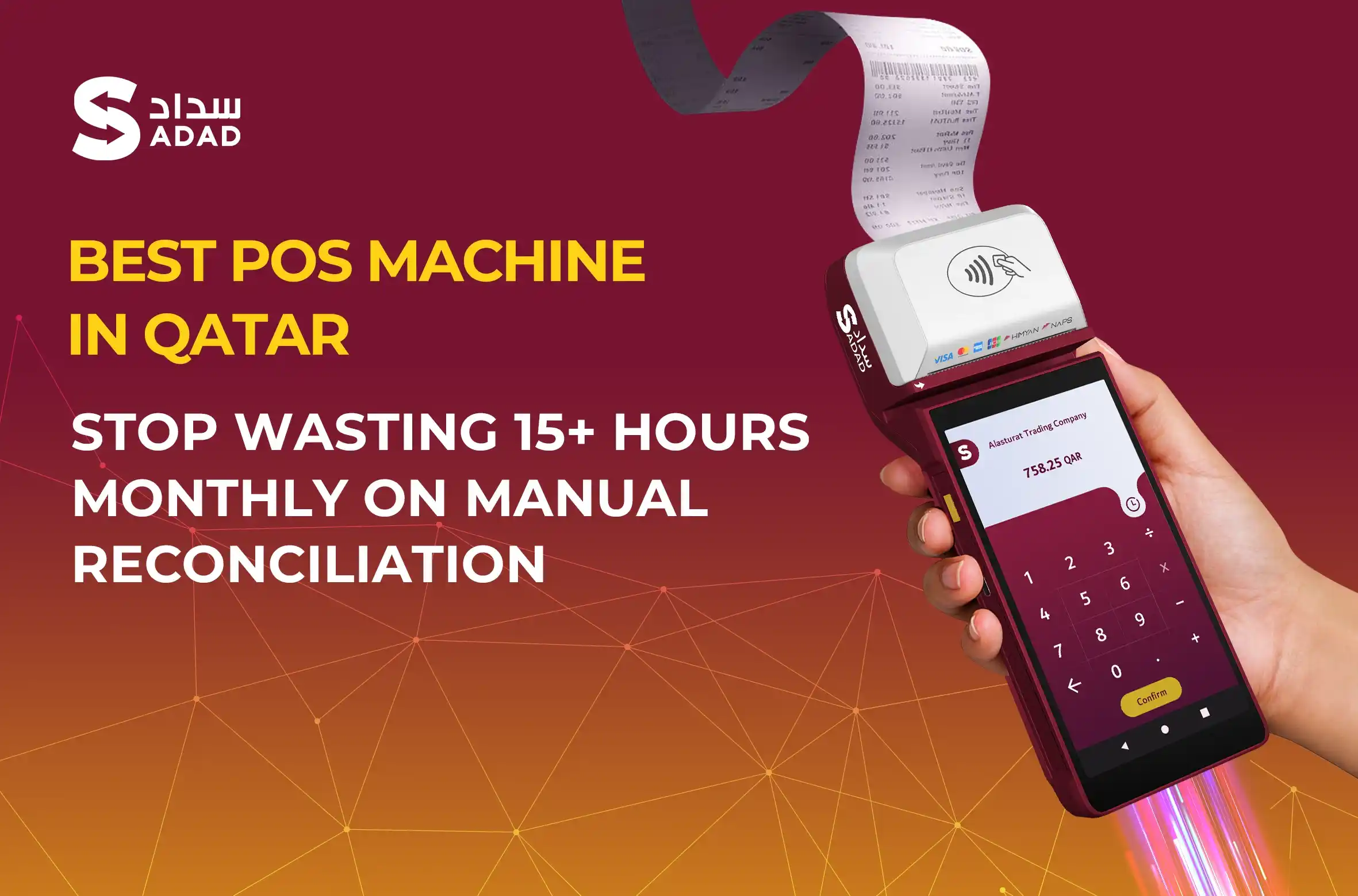
Best POS device in Qatar: Why SADAD Plus Outperforms Traditional Terminals
Last month, a café owner in West Bay showed me his counter.
Three different POS machines. One from his bank that stops working when the internet drops. Another that can’t accept Apple Pay. A third that requires manual reconciliation every single night.
He spends 12 hours weekly just managing payment systems that should save him time.
This isn’t rare.
Most Qatar business owners don’t choose their POS machines; they inherit them from bank bundles, accept whatever the payment processor offers, or rush into whatever seems cheapest during setup.
According to industry research, businesses using mismatched POS systems lose 15-25 hours monthly to workarounds, manual reconciliation, and transaction failures.
In Qatar’s competitive market, where customer experience and operational efficiency determine success, finding the best POS device in Qatar isn’t just about payment processing; it’s about choosing the right business infrastructure.
The best POS device in Qatar processes payments faster, gives you real-time business insights, accepts every payment method your customers prefer, and scales as you grow.
The wrong one becomes a daily frustration that costs you time, money, and sales.
This guide shows you exactly what separates the best POS machines from the rest in Qatar’s market, and why SADAD Plus has become the choice for businesses that refuse to compromise.
What Actually Makes a POS device “Best” in Qatar (Not What Vendors Tell You)
When I ask Qatar business owners what they look for in the best POS machine, most say “reliability” or “easy to use.” Ask what that actually means, and the conversation gets vague.
Here’s what I’ve learned after watching dozens of Qatar businesses struggle with the wrong POS choice: The expensive problems aren’t the ones vendors talk about in sales demos. They’re the ones that show up three months after installation.
A restaurant discovers its POS can’t handle the Ramadan dinner rush because it wasn’t built for 300% transaction spikes.
A retail store realizes they’re manually counting inventory every week because their POS doesn’t actually track stock movement. A salon spends 2 hours every night reconciling payments because its 3 card readers don’t communicate with each other.
According to research on Qatar’s retail sector, businesses lose an average of 15-25 hours monthly managing POS systems that should be saving them time.
That’s not a technology problem, it’s a selection problem.
The “best” POS device for your business isn’t about having every feature. It’s about solving your actual daily workflow problems. A café needs different infrastructure than a boutique, which needs different infrastructure than a mobile services business.
What Qatar businesses actually need from their POS: speed during peak periods without system crashes, reliability in our climate conditions, acceptance of every payment method customers prefer, real-time visibility into what’s selling (not yesterday’s report), local support when something breaks at 8 PM on Thursday, compliance with QCB requirements without workarounds, and the ability to add locations without rebuilding everything.
Your payment infrastructure determines how smoothly your business operates. Choose based on your workflow, not the sales pitch.
Understanding what you need is only half the battle; the other half is knowing which POS device category can actually deliver it.
4 Types of POS Machines in Qatar (Finding the Best POS device Starts With Category)
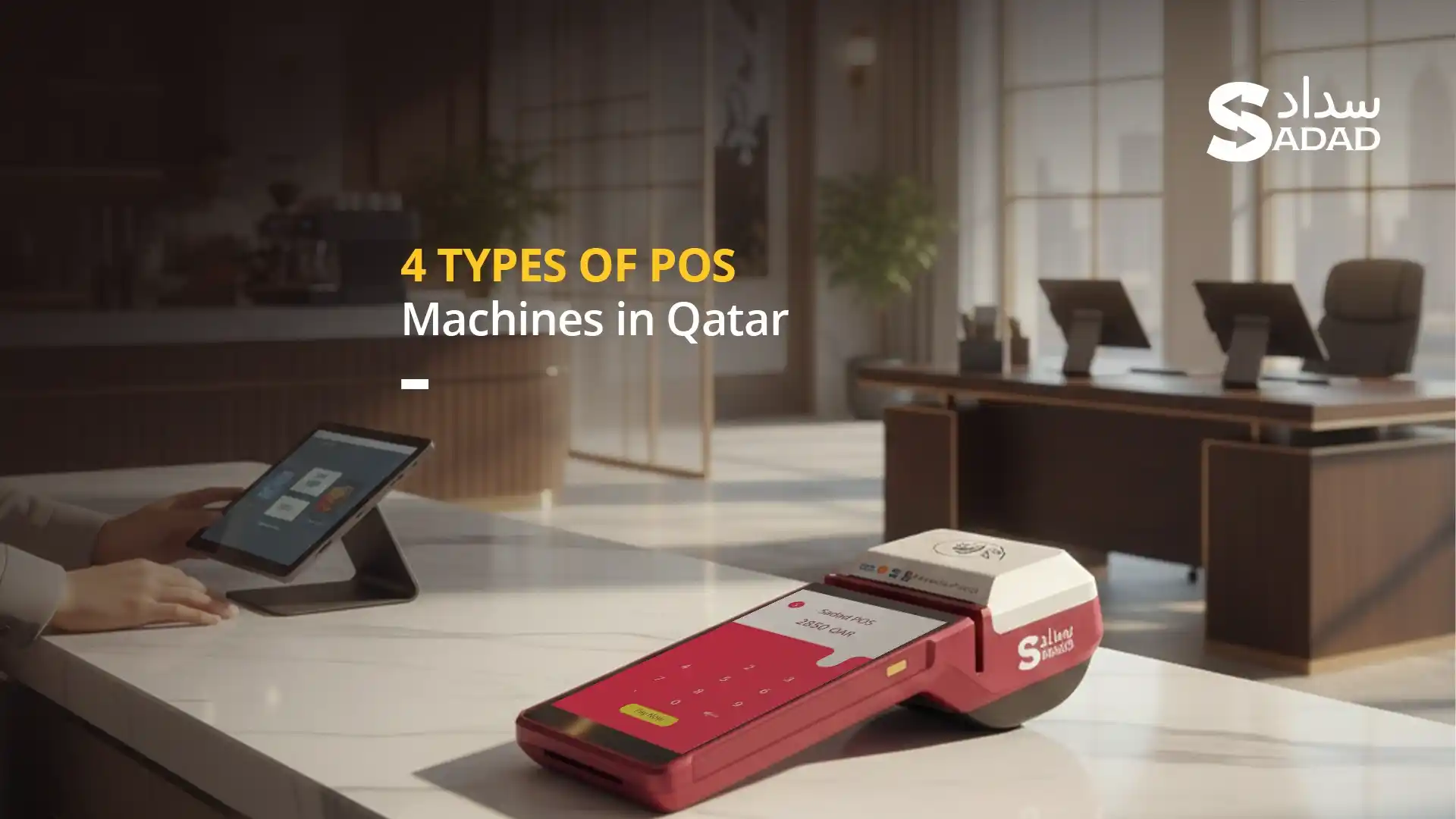
Most business owners compare POS machines within the wrong category. They’re choosing between Brand A and Brand B, even though both are the wrong type for their business.
#1: The traditional bank-issued terminals
You see, everywhere is fixed to one spot, offers no real-time dashboard, and takes 2-3 weeks of paperwork to set up. They work fine if you’re a small shop with simple needs, but once you grow beyond one location, you’re managing multiple disconnected systems.
#2: Basic Android POS device s
improved on this with touchscreens and some inventory tracking, but you’re still buying dedicated hardware that only does one job. When your business needs change, you’re stuck with a device that can’t adapt.
#3: All-in-one smart POS systems
Like SADAD Plus changed the category completely. These aren’t just payment terminals, they’re business management systems. Real-time dashboards showing what’s selling right now, GPS tracking so you know where each device is, digital receipts sent via WhatsApp to cut paper costs, and 72-hour battery life for businesses that can’t stop charging.
#4: Then there’s mobile software POS
Where your phone becomes the payment terminal. Perfect for delivery drivers or event sales, but not ideal for fixed locations with high transaction volume.
Here’s what matters: Traditional terminals lock you to one spot. Basic Android devices limit your features. Smart all-in-one systems adapt as your business grows. Mobile software offers flexibility but needs to be complemented by fixed infrastructure for most businesses.
A food truck that chooses a fixed terminal wastes money on features it can’t use. A retail chain choosing basic Android devices hits limitations within months. The category determines your ceiling before you even compare brands.
Once you know which category your business fits into, the next question is identifying the specific features that set functional POS machines apart from exceptional ones.
6 Critical Features Your Qatar POS device Must Have (Tested by Real Businesses)
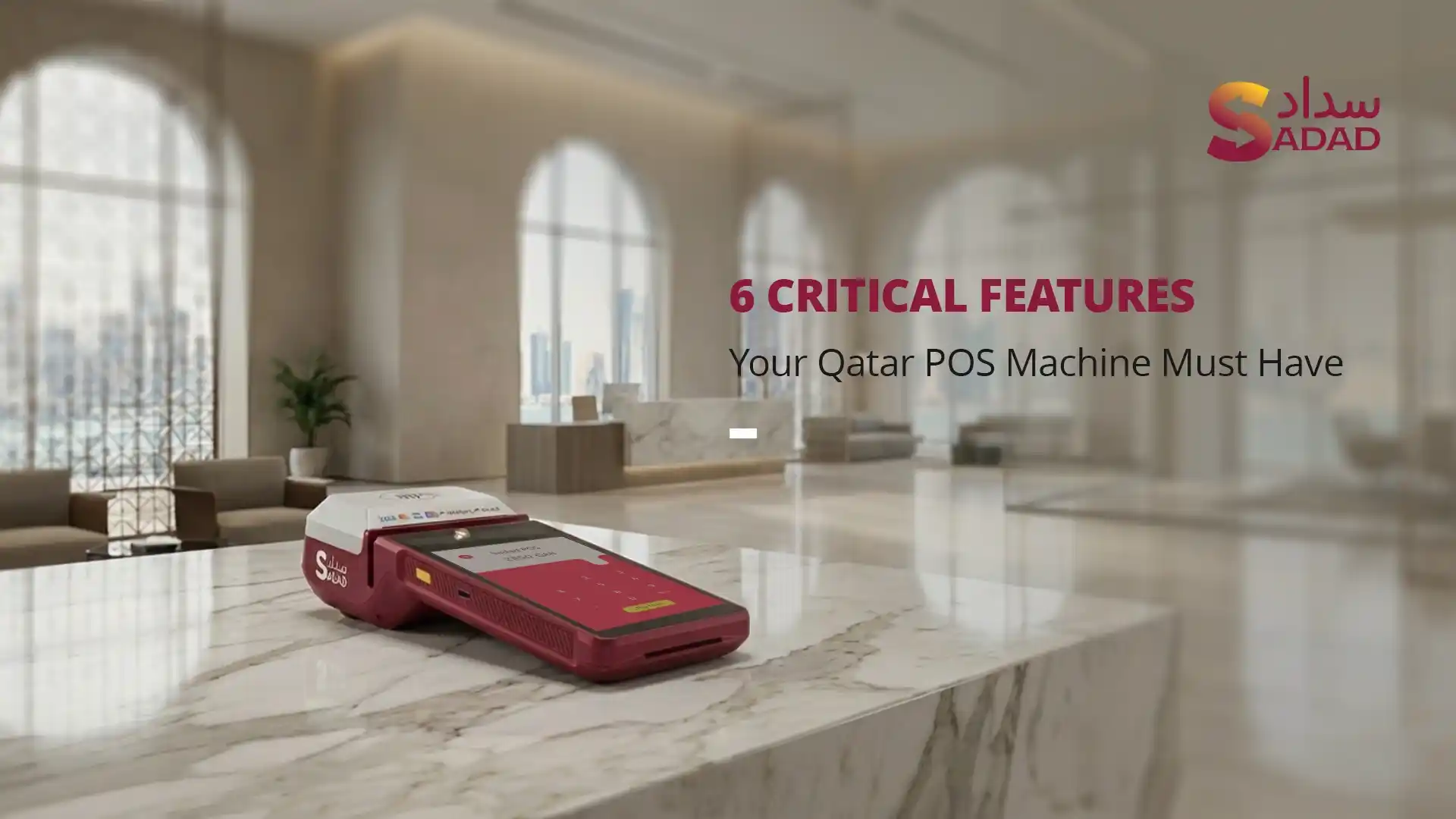
Vendors love listing 50 features. Business owners need maybe eight that actually matter.
Multi-payment acceptance isn’t negotiable anymore.
When a customer pulls out their phone to pay with Apple Pay and your terminal can’t handle it, you just turned away a sale.
Your POS needs to accept cards, digital wallets, QR codes, and NAPS without your staff having to think about it. SADAD Plus supports tap, dip, and swipe across all major payment networks, including contactless payments, which now account for about 40% of Qatar transactions.
Battery life determines whether your business stops.
A POS that dies at lunch rush or during an evening event costs you more than the device itself. You need genuine 8+ hours for mobile operations. SADAD Plus runs up to 72 hours on a single charge because Qatar businesses can’t afford downtime.
Real-time dashboards change how you make decisions.
End-of-day reports tell you what happened yesterday. Real-time visibility tells you what’s selling right now so you can adjust. Monitor transactions as they happen, see which products move fastest, identify peak hours, and make staffing decisions based on actual data rather than guesswork.
GPS tracking matters for any business with multiple devices.
Know where each POS is, whether it’s online or offline, and which staff member used it last. This isn’t paranoia; it’s basic asset management when you have devices worth thousands of riyals on the move.
Digital receipts via WhatsApp or SMS
Cut your paper costs by 60-80% while giving customers the convenience they expect. One café owner told me they save QAR 350 monthly just on receipt paper.
Local support during problems
Separates functional businesses from those scrambling. When your POS fails at 7 PM Thursday, you need someone in Qatar who answers immediately, not a ticketing system routing to Manila.
The features that matter are the ones that solve daily problems, not the ones that look impressive in brochures.
These features explain what to demand from any POS machine, but they don’t explain why SADAD Plus consistently outperforms international brands in Qatar’s specific market conditions.
Why SADAD Plus Wins Against International POS Brands in Qatar
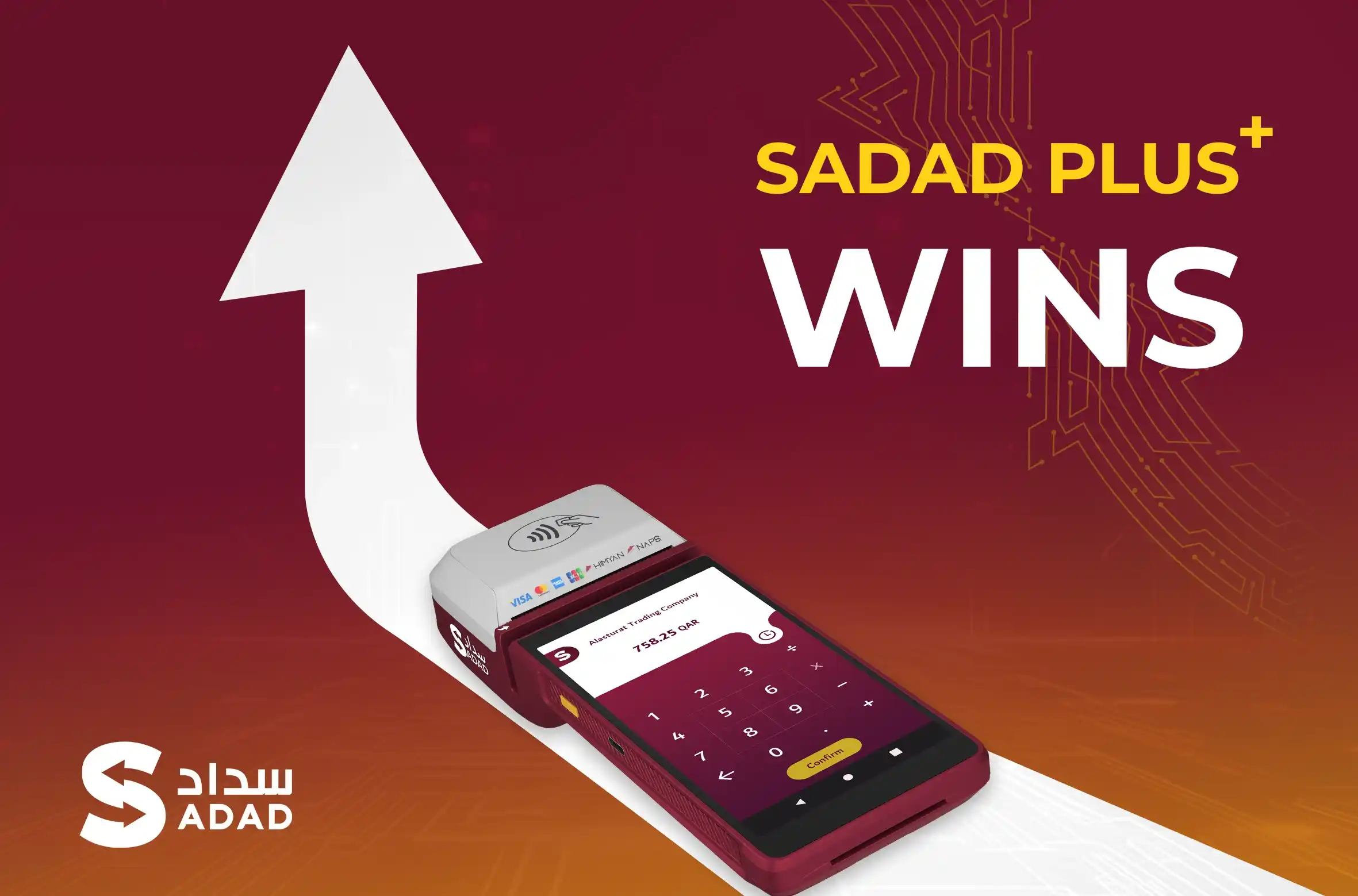
International POS companies adapt their global products to Qatar, but the best POS device in Qatar should be built for Qatar from the start.
SADAD Plus was built for Qatar from the first line of code.
That difference shows up in ways most businesses don’t notice until they need it. When your POS system needs QCB compliance documentation for an audit, international brands provide partnership letters or “we’re working on it” explanations.
SADAD has held direct Qatar Central Bank licensing since 2018. Your payment data stays in Qatar, not routed through Dubai or Bahrain data centers that create compliance gaps.
The complete ecosystem matters more than businesses realize. Most POS vendors sell you hardware and walk away. SADAD Plus connects to the entire payment infrastructure: your online sales run through SADAD Gateway, your B2B invoicing through SADAD Invoice, your delivery drivers use SADAD SoftPOS, and everything reports in one unified dashboard.
One vendor relationship instead of managing three different companies with incompatible systems.
The technical specifications tell part of the story. Qualcomm Quad-Core processor, 6000 mAh battery rated for 72 hours, 5-inch touchscreen with 2.5mm bezel for maximum visibility, dual cameras for QR code scanning, built-in thermal printer at 100mm/s, Bluetooth 4.0, and NFC connectivity.
These aren’t impressive on paper; they’re essential for Qatar’s business environment, where heat, dust, and peak-hour transaction volume test every device.
The docking station proves SADAD understands actual operations. Anti-slip design because Qatar counters get busy.
Shockproof because accidents happen. Built-in charging so your device stays ready during Ramadan rushes or weekend shopping spikes when you can’t afford downtime.
But specifications matter less than this: SADAD Plus adapts as your business grows. Start with one device, scale to fifty. Add locations, and the system handles it.
Need ERP integration? API documentation is ready. That’s infrastructure, not just a payment terminal.
The technical capabilities matter, but what really proves whether the best POS device in Qatar works is what happens when real businesses actually use it.
How Qatar Businesses Transformed Operations with SADAD Plus
Three Qatar businesses switched to SADAD Plus last year. Their owners agreed to share results if I kept their names private, but the numbers tell you everything about what proper POS infrastructure delivers.
A fashion boutique with four locations across Doha was managing each store’s inventory separately.
Their owner spent every Sunday manually consolidating sales data from different systems. After switching all locations to SADAD Plus with unified dashboard visibility, she knows exactly which items are selling where in real time.
When a customer asks for a specific size not available at one location, staff can see it’s in stock at another store and arrange a same-day transfer. Weekly reconciliation dropped from 6 hours to 20 minutes.
A busy restaurant in West Bay was losing customers during lunch rush because its old terminal took 45 seconds per transaction. Lines backed up, people left.
SADAD Plus cut transaction time to under 10 seconds. They started accepting Apple Pay and Google Pay, which now represents 40% of their payments.
The manager told me the 72-hour battery means they don’t worry about devices dying during weekend dinner service. Digital receipts via WhatsApp save them about QAR 400 monthly on paper rolls alone.
A mobile car detailing service needed payment acceptance at customer locations across Qatar.
Their team carries SADAD Plus devices that work anywhere with a cellular connection. GPS tracking shows the owner exactly which staff member processed which payment and where. No more “I forgot to collect payment” excuses. The business went from 60% cash to 90% card payments in three months.
The pattern across all three: setup took 2-3 days, not weeks. Staff training was minimal because the interface makes sense. Transaction success rates improved.
Most importantly, owners got visibility into their business that wasn’t possible before.
These results answer the ‘why’ behind choosing SADAD Plus, but business owners still have practical questions before making any purchase decision.
Questions Qatar Business Owners Ask Before Buying a POS Machine
How long does the SADAD Plus battery actually last in Qatar’s heat?
The 6000 mAh battery is rated for up to 72 hours under normal conditions. In real Qatar use with air conditioning off and high transaction volume, businesses report 2-3 full business days per charge. The docking station keeps it charged during peak periods, so battery anxiety doesn’t exist.
What happens if the device breaks or gets lost?
GPS tracking helps locate misplaced devices. If a device breaks, 24/7 technical support handles replacement immediately. The merchant dashboard shows all your transaction history, so no data gets lost even if hardware fails.
How quickly do I actually receive my money?
SADAD offers flexible settlement options. You can choose automatic daily settlements or manual withdrawals whenever you want. Real-time visibility in your dashboard shows exactly what’s been settled and what’s pending.
Is there a long contract commitment?
No multi-year lock-in contracts. SADAD operates on transparent terms because businesses stay when the system works, not because they’re contractually trapped.
Can SADAD Plus work with my existing accounting software?
Yes. SADAD Plus integrates with major accounting and ERP systems through API connections. The system exports transaction data in formats compatible with most business software, and technical support helps with integration setup.
With the questions answered and the evidence clear, the decision comes down to understanding what you actually need versus what vendors want to sell you.
Choosing the Best POS Device for Your Qatar Business
The right POS device isn’t the one with the most features. It’s the one built for how Qatar businesses actually operate.
SADAD Plus works because it was designed for Qatar from the start, not a global product adapted afterward. Direct QCB licensing eliminates compliance workarounds.
72-hour battery handles your busiest periods. GPS tracking manages multiple devices across locations. Real-time dashboards show what’s happening now, not what happened yesterday.
Whether you’re opening your first location or managing multiple branches across Qatar, your POS infrastructure determines how smoothly your business runs.
Visit SADAD to learn more about SADAD Plus and see how it fits your specific business needs. Setup takes days, not weeks. Your business operations improve immediately.
Last Articles
Articles
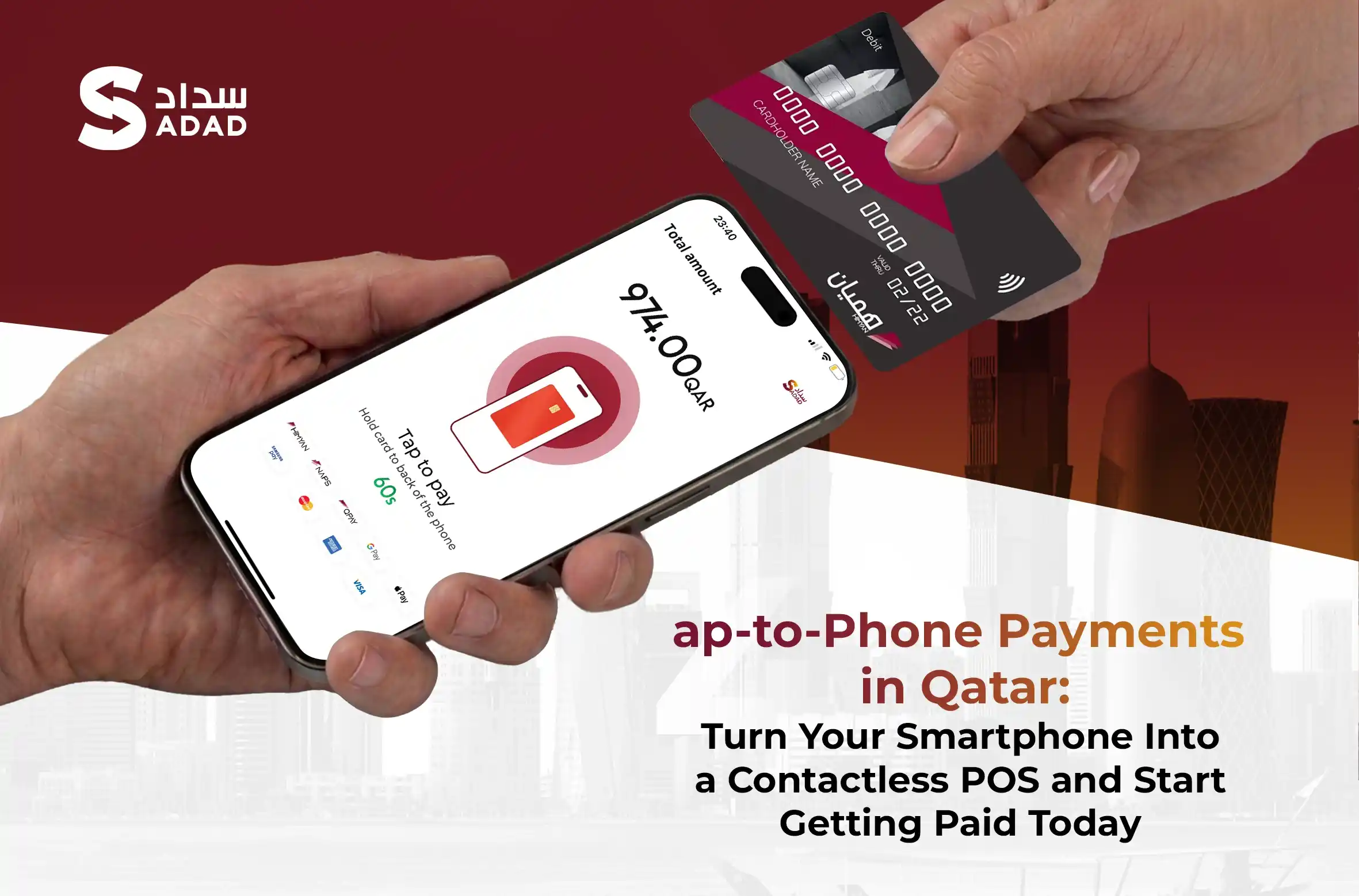
Your Phone Is a POS Terminal Now: The Complete Guide to Tap-to-Phone Payments in Qatar
Tap-to-Phone Payments in Qatar: Turn Your Phone Into a POS Terminal and Start Getting Paid Today Your customers are already tapping to pay. The real question is whether your business...
Read more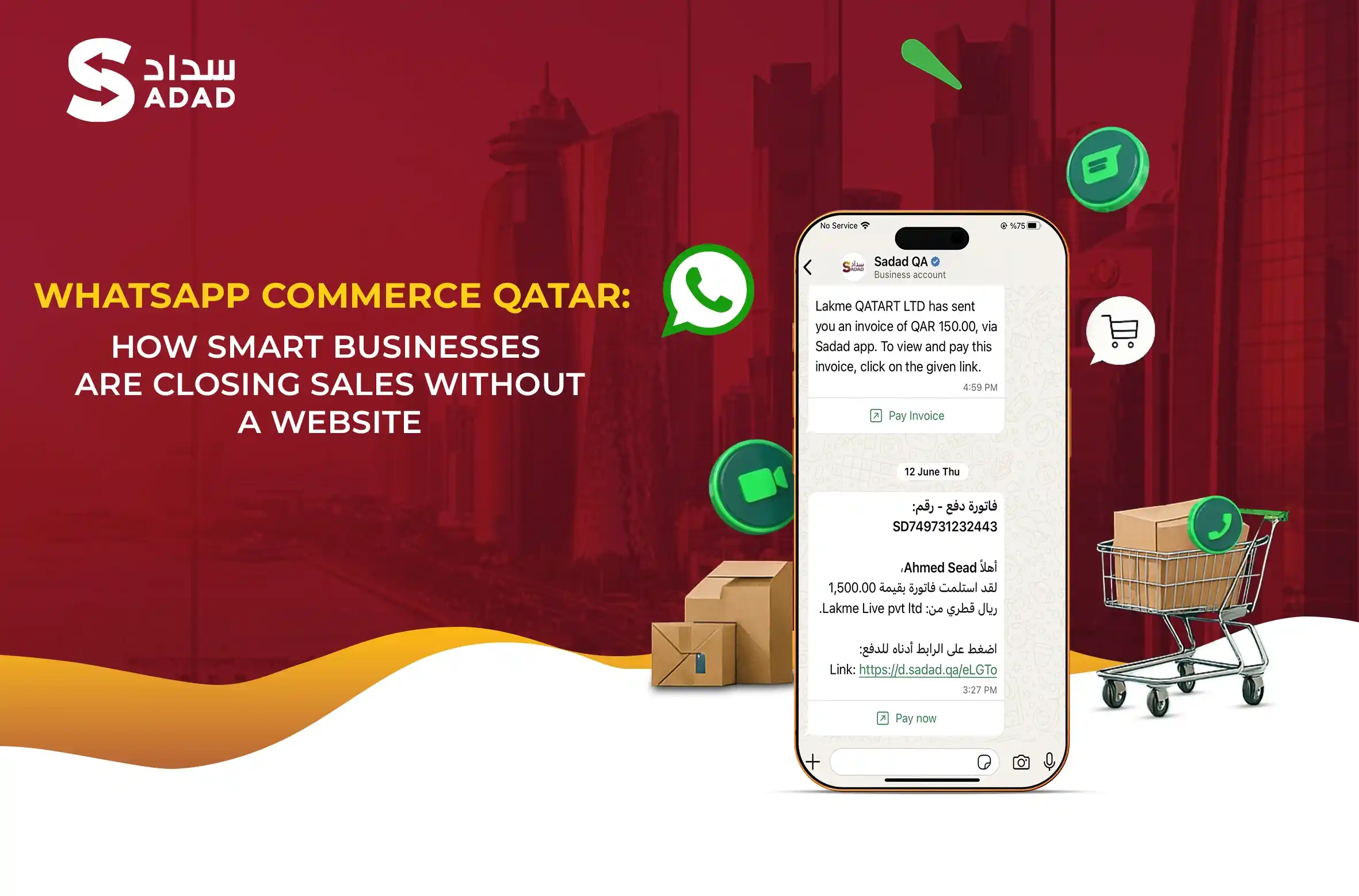
Articles
The Qatar Business Owner’s Guide to WhatsApp Commerce and Getting Paid Faster
WhatsApp Commerce in Qatar: How to Turn Conversations into Sales with Payment Links You have already made sales on WhatsApp without calling them sales. A customer messages you asking about...
Read more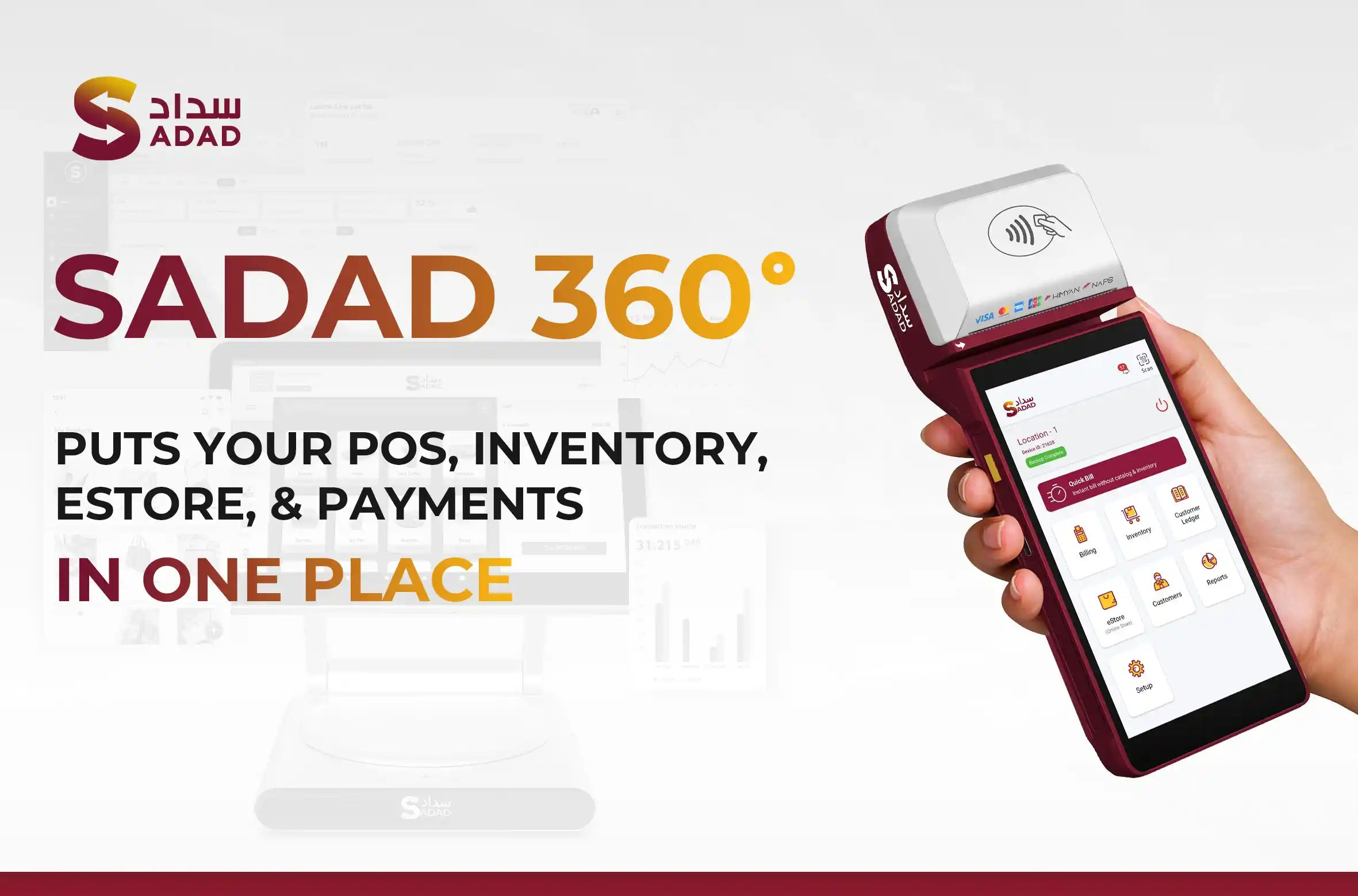
Articles
SADAD 360: The All-in-One Business Suite Built for Qatar’s SMEs
SADAD 360: The All-in-One Business Suite Built for Qatar's SMEs Most businesses in Qatar aren't struggling because of bad products or poor service. They're struggling because they're running their operations...
Read more